
Amid the ongoing humanitarian crisis in the Gaza Strip, a new and serious public health emergency is emerging: a massive rodent infestation that is contributing to the spread of disease. According to the World Health Organisation (WHO), more than 70,000 cases of ectoparasitic infections and rodent-borne diseases have been recorded since the beginning of 2026. The rise is linked to overcrowded conditions, widespread destruction and the collapse of sanitation systems. This was reported by a Caritas Jerusalem doctor working on the ground in Gaza, who asked to remain anonymous for security reasons. The interview was relayed by Caritas Internationalis today.
Cases increasing every night. The doctor describes one of the most recent incidents involving a 35-year-old man who was bitten on the finger by a rat while sleeping in a partially destroyed building surrounded by rubble and waste. The doctor explained that he “cleaned the bite, applied an antibiotic ointment, administered a tetanus immunisation, and prescribed oral antibiotics” and stressed that such incidents are becoming increasingly common. According to hospital sources, around 10 people with rodent bites arrive at emergency departments every night. While basic treatment is still possible — “cleaning, local and systemic antibiotics, dressings, tetanus vaccine” —, severe shortages within the healthcare system are creating major difficulties. “There is a 50% shortage of consumables, and the essential drug list that includes antibiotics”, and healthcare workers are operating under extremely difficult conditions. Managing more complex cases is particularly problematic. The doctor adds: “No anti-rabies serum or rabies vaccine is available in Gaza; there is a severe shortage of laboratory equipment and reagents for diagnosing rat-borne infectious diseases”. As a result, doctors are forced to rely solely on clinical findings and judgement, without being able to confirm dangerous infections such as leptospirosis, hantavirus or rickettsial infections.
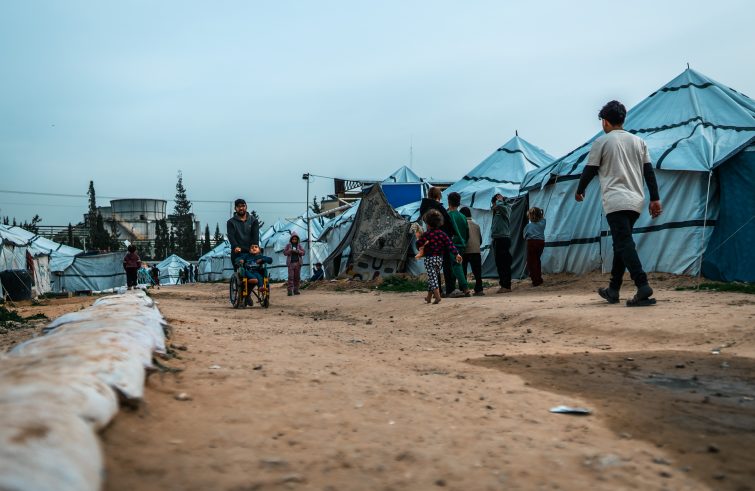
Growing risks for the population. The infestation poses dangers far beyond rodent bites. Rodents, the doctor explains, “are chewing through tents and contaminating food supplies”, thus creating widespread fear, especially among displaced families living in camps or temporary shelters. Families, and especially children, are afraid to sleep at night. Healthcare workers suspect an increase in rodent-borne infections, but the real scale of the problem remains unclear because of the lack of diagnostic tools.
Urgent measures needed. “Immediate and coordinated interventions will be necessary to contain the emergency”, the doctor adds, stressing the need for urgent action on environmental sanitation: “Removing rubble, disposing of solid waste, renovating the sewage system, providing municipal and drinking water, and supplying affordable rodenticides and pesticides. Trap mice and rats in the home. Clean and disinfect the home thoroughly. Seal all potential entry holes”. All this, the doctor says, will only be possible with a genuine ceasefire and real reconstruction efforts, which are indispensable for addressing the root causes of the crisis. Reconstruction, the doctor underlines, must concern not only infrastructure, but also “environmental protection: finding sustainable solutions for solid waste through recycling or incineration, rebuilding the sewage network, establishing a desalination plant to bring safe drinking water to all of Gaza, and eradicating rodents and pests through pesticides, rodenticides, and traps”. At the same time, the doctor stresses, it is urgent to rebuild Gaza’s healthcare system by rebuilding hospitals and laboratories, increasing the number of healthcare staff, and recovering diagnostic capacity. “None of this is optional; these are the foundations of a functioning healthcare system, without which preventable deaths will continue”. Looking to the future, the doctor also speaks of hope: “I hope for the restoration of education and the resilience of Gaza’s youth. They are the future, and they deserve one”.