
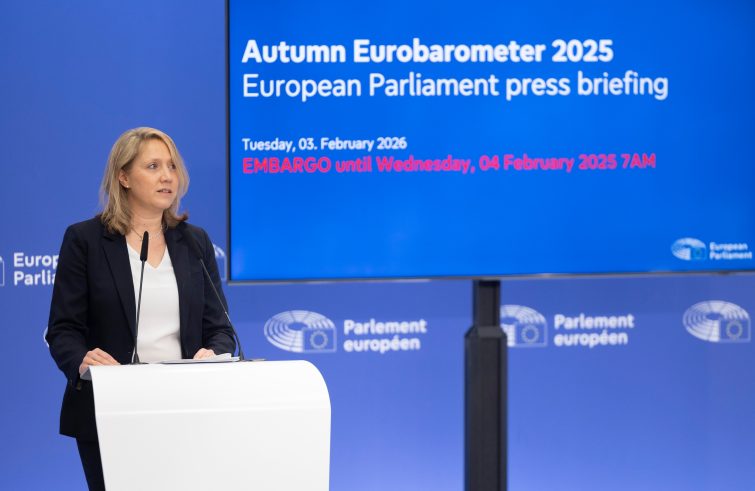
(Brussels) Conflicts, terrorism, economic uncertainty, natural disasters worsened by climate change, migratory pressures: these are some of the events – real, perceived or emphasised by the media – that raise anxiety, fears and veritable unease in the population of the European Union. And, at the same time, they give a glimpse of their expectations and demands from the political world. The survey by Eurobarometer, commissioned by the European Parliament and published today, points out that “at a time of escalating geopolitical tensions, the citizens are increasingly worried about their future and ask the EU to take common and ambitious action”. The results of the survey, which was conducted last November through over 26 thousand interviews with EU citizens, found that geopolitical instability affects the Europeans’ opinions: the majority say they are pessimistic about the future of the world (52%), as well as that of the European Union (39%) and that of their own country (41%).
-
- (Photo European Parliament)
-
- (Photo European Parliament)
“The picture looks less gloomy at a personal level: over three quarters of Europeans (76%) are optimistic about their future and the future of their families”. Eurobarometer reports that, “in all of the areas in which the respondents were interviewed, concern over security turns out to be quite high. Conflicts taking place near the EU (72%), terrorism (67%), cyber-attacks from non-EU countries (66%), natural disasters made worse by climate change (66%) and uncontrolled migration flows (65%) are the greatest causes of unease”.