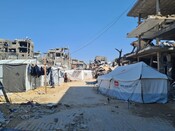
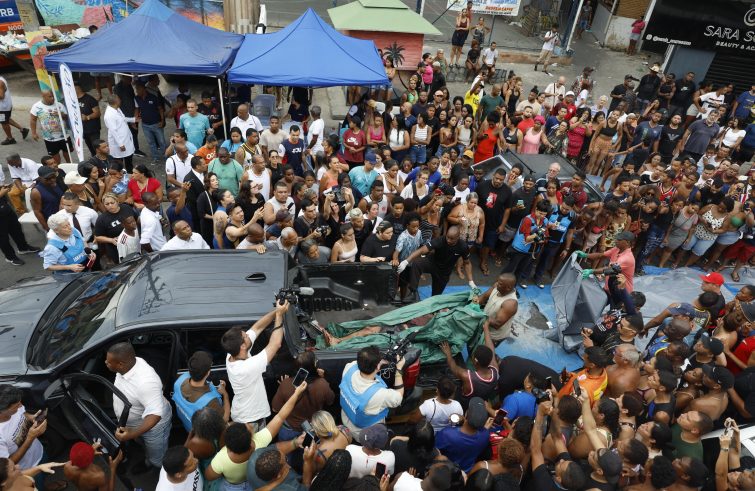
Dozens of bodies line the street in the aftermath of hours of urban warfare waged with drones and sophisticated weaponry while the population stood by in terror. These dramatic images of the deadliest police operation ever conducted against organised crime and drug trafficking in Rio de Janeiro — specifically targeting the notorious Comando Vermelho drug cartel — will be etched in the memories of Brazilians, particularly those in Rio de Janeiro, for a long time to come.
On Tuesday, around 2,500 police officers launched a raid on favelas in the northern part of the city, targeting the Penha and Alemão districts. According to official figures, the operation left 121 people dead (up to 140 according to some sources), including four police officers. Dozens of people sustained injuries and 113 were arrested. The city was virtually paralysed, with schools and universities having been shut down and transport systems descending into chaos amid roadblocks. The following day, footage of the incident was circulated globally, sparking widespread outrage and eliciting condemnation from numerous parties. The incident sparked intense political controversy as the governor of Rio de Janeiro, Cláudio Castro — a Bolsonaro supporter — had given the operation the green light. Castro called the operation a “success” and claimed that the only victims were the four officers killed. In a statement, the Archbishop of Rio de Janeiro, Cardinal Orani João Tempesta, said: “I am deeply saddened by this tragedy. I firmly believe that human life and dignity are fundamental values that must be upheld at all times. Human life is a sacred gift from God and it must be defended and protected at all times. I offer my prayers and deepest sympathy to the families mourning the loss of their loved ones.” Upon returning from a trip to Asia, the President of the Republic, Luiz Inácio Lula da Silva, said he was shocked and surprised by the lack of advance information shared with the federal authorities.
“The bloodiest slaughter in the history of the country.”
The anguish is acutely felt especially by those in Rio de Janeiro who relentlessly lend their support to the inhabitants of the favelas. André Fernandes, a journalist, social activist and the founder of both the Agência de Notícias das Favelas news agency and the NGO of the same name, as well as the newspaper A Voz da Favela, is one of them.
“What happened yesterday was the bloodiest slaughter in the history of our country,” he told SIR.
What happened can be compared to the Carandiru prison massacre in São Paulo on 2 October 1992, which resulted in the death of 111 people. According to Fernandes, what happened in Rio was even more serious: “This constitutes state violence because when the state only intervenes with brutal police violence and neglects to provide social, health, cultural, educational and basic services, it is attacking its own people.” The massacre was completely unnecessary, he adds: “It was just a palliative measure, because the next day nothing new happened except deaths, tears and mourning as a result of these police operations. The way forward is to integrate the police force with social services with the backing of the federal government. The federal administration conducted this operation alone. In contrast, a few days ago, we witnessed a major operation in Faria Lima in the city centre without a single shot being fired and without a single death.”
Calls for peace and human dignity
A similar position is held by social activist and advocate for the black population of the favelas, Itamar Silva. He told SIR that it was an extremely violent operation that took the city by surprise, despite some public areas and offices having been warned in advance.
In any case, the direct attack strategy did not affect the drug trafficking network, and all experts concur that this kind of response is counterproductive.
It served as a display of strength ahead of the election campaign.” The Church, for its part, rejects any initiative contrary to human life and dignity, calling instead for prevention and human promotion policies. Speaking after Cardinal Tempesta, the presidency of the National Conference of Bishops of Brazil (CNBB) released a statement reaffirming the archbishop’s words and emphasising that ‘peace must always be sought and promoted by all’. The Brazilian Conference of Religious Men and Women (CRB) voiced feelings of “deep sorrow and indignation”, and reaffirmed its commitment to promoting life, reconciliation, and peace.