
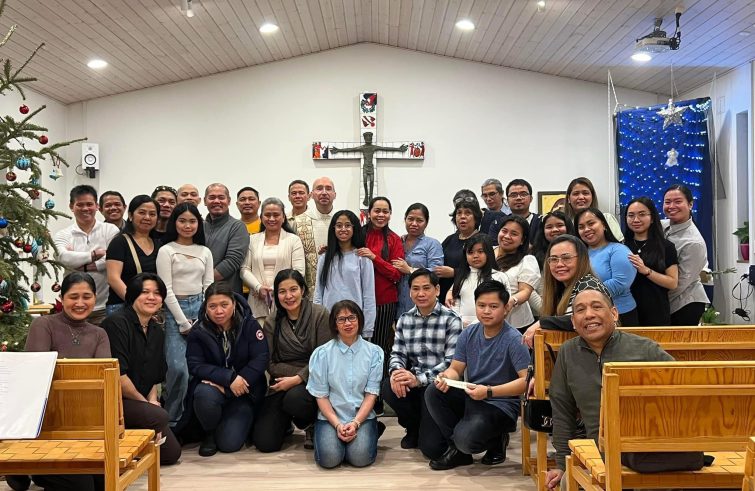
“Compared to a few days ago, the atmosphere has become more serious. People are still calm, but there is a greater awareness that the situation is no longer theoretical. The presence of military forces brings global tensions closer to everyday life”. Speaking to SIR, Father Tomaž Majcen, a Conventual Franciscan and parish priest of Nuuk, describes the mood in the city after the government announced that it had increased the military contingent “in and around” the island in preparation for joint exercises with Denmark and other NATO allies, focused on Arctic security. Moreover, almost all European “Arctic” countries are preparing to send troops to defend the icy island. Sweden, Norway, Germany and even France have decided to respond to Denmark’s appeal by deploying military personnel to defend Nuuk. All this is taking place as the EU considers whether Article 42 of the Treaty – which provides for mutual military assistance for a Member State of the Union – could be activated. “Greenlanders talk about it in hushed tones, often with concern rather than anger”, the parish priest continues. “Many express the same thought that I hear repeated most often: we want to live in peace and not become a strategic battlefield”.
There is a strong desire that decisions concerning Greenland should not be taken without the Greenlandic people.
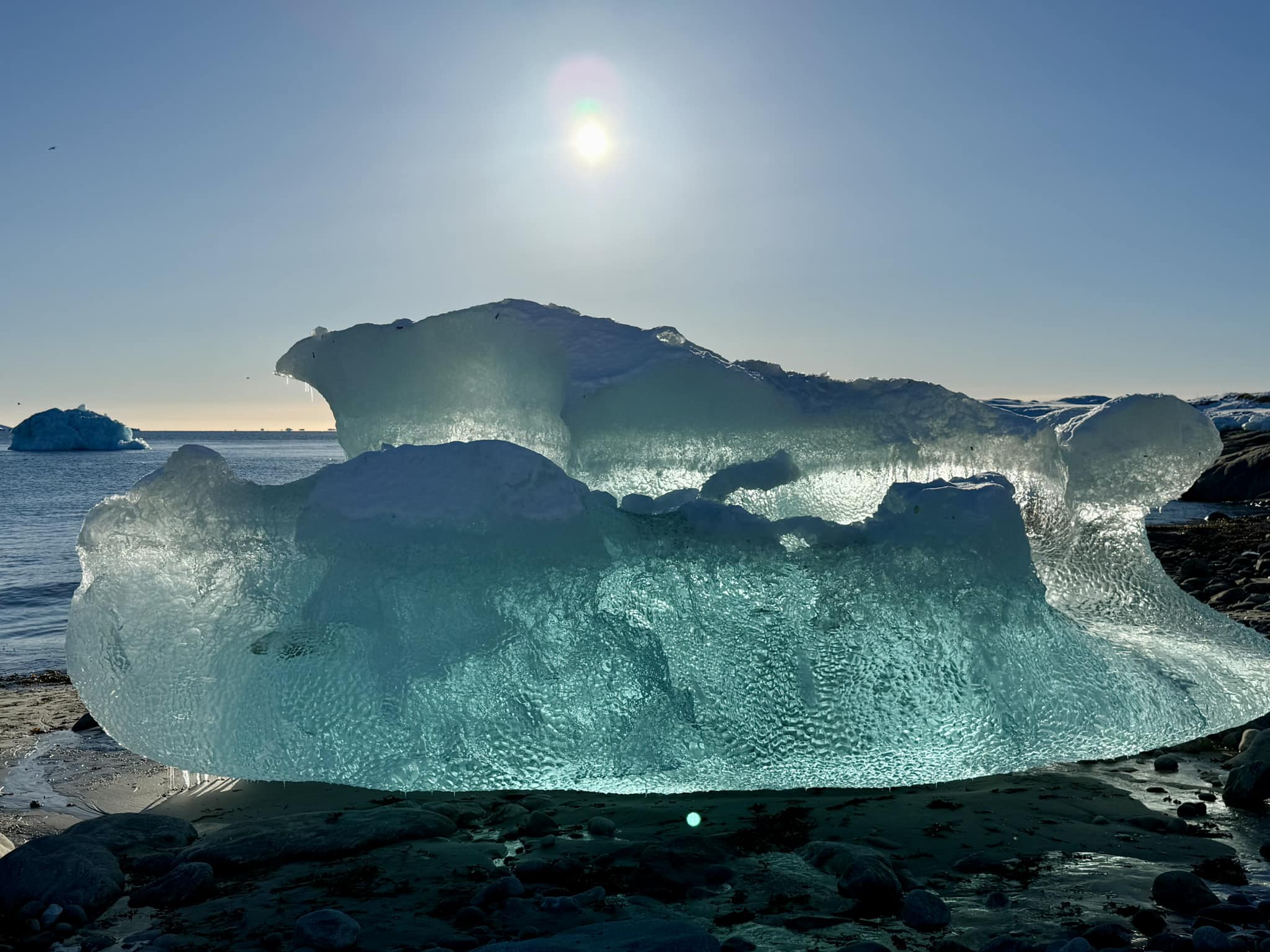
(Foto Majcen)
Europeans, too, are taking action. Germany, Sweden and Norway have decided to send military personnel to Greenland. Do you think this is the right approach?
“Yes, this adds a new layer. People understand the need for security, especially in the Arctic context, but the visible involvement of more countries makes the situation more serious. There is appreciation for the solidarity of European partners, but also a cautious hope that military measures will remain limited and clearly focused on prevention, not escalation. For the local population, security must always go hand in hand with respect for civilian life and local culture”.
The President of the European Commission, Ursula von der Leyen, stated: “Greenland belongs to its people”. How important is Europe’s presence at your side, and what do you expect from the EU?
“This statement was received positively and with relief. At times like these, words matter. It reassures people that Greenland is not seen only as a strategic resource. From Europe, we now hope for consistency between words and actions: listening to local voices, protecting Greenland’s autonomy and supporting long-term stability.
Europe’s presence is meaningful when it helps to safeguard peace, not when it increases tension”.
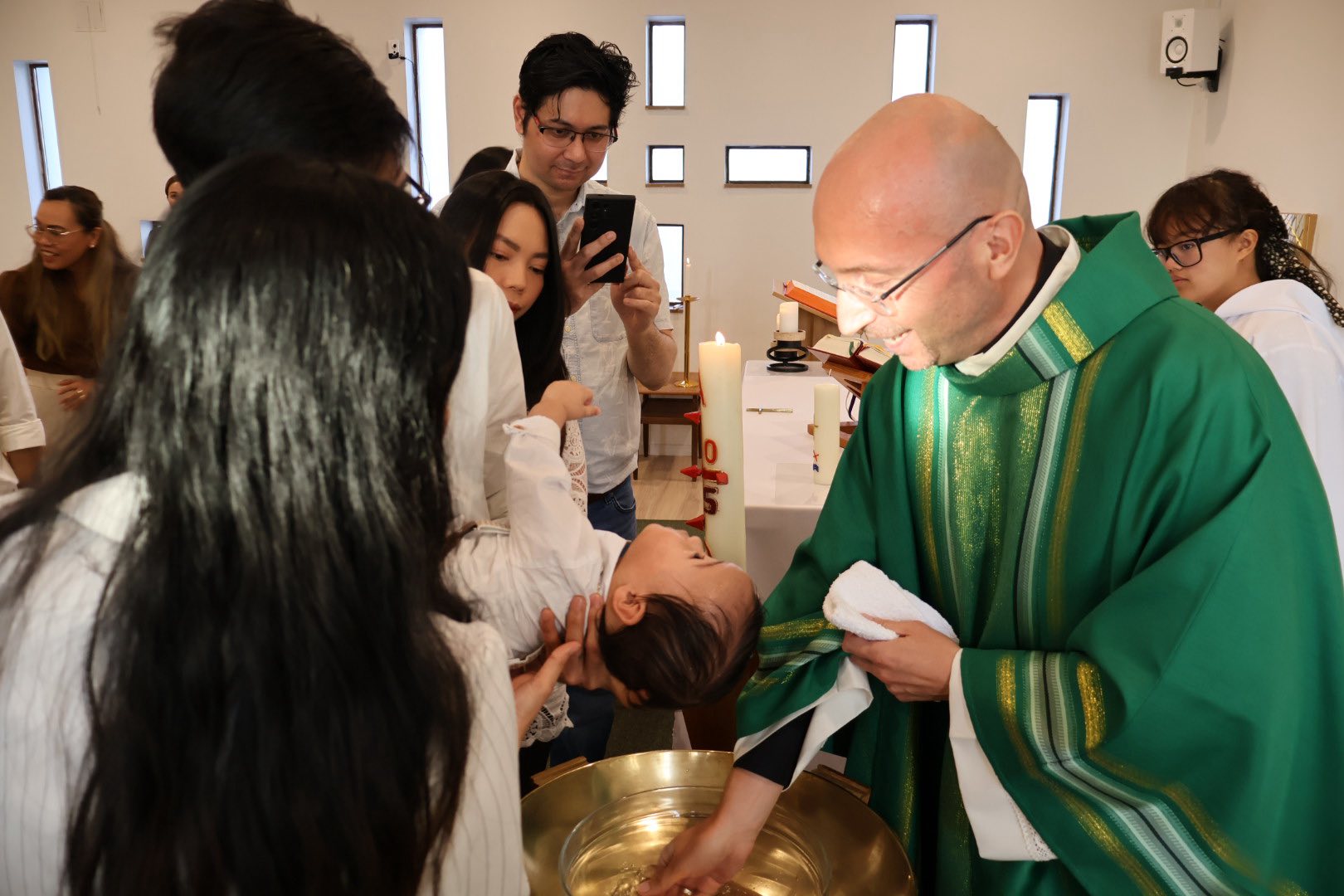
(Foto Majcen)
Can you tell us more about your daily life? Has anything changed? How is your parish responding to these developments?
“Daily life goes on: children go to school, people go to work, the sea and the climate still mark our days. But beneath this normal rhythm, there is greater anxiety. In the parish, prayer has become more focused on a single intention. People specifically ask for peace, moderation among world leaders and protection for the land. As a priest, I try to offer calm and perspective, reminding people that fear should not dominate our hearts”.
President Donald Trump believes that the United States needs the island for national security reasons. What would you like to say to him on behalf of the Greenlandic people?
“In light of the recent escalation, I would like to repeat this message even more clearly: Greenland is not just a territory; it is a living community. Any discussion about security must begin with respect for the people who live here.
True security is built through dialogue, cooperation and mutual respect, not through statements that make small nations feel powerless”.
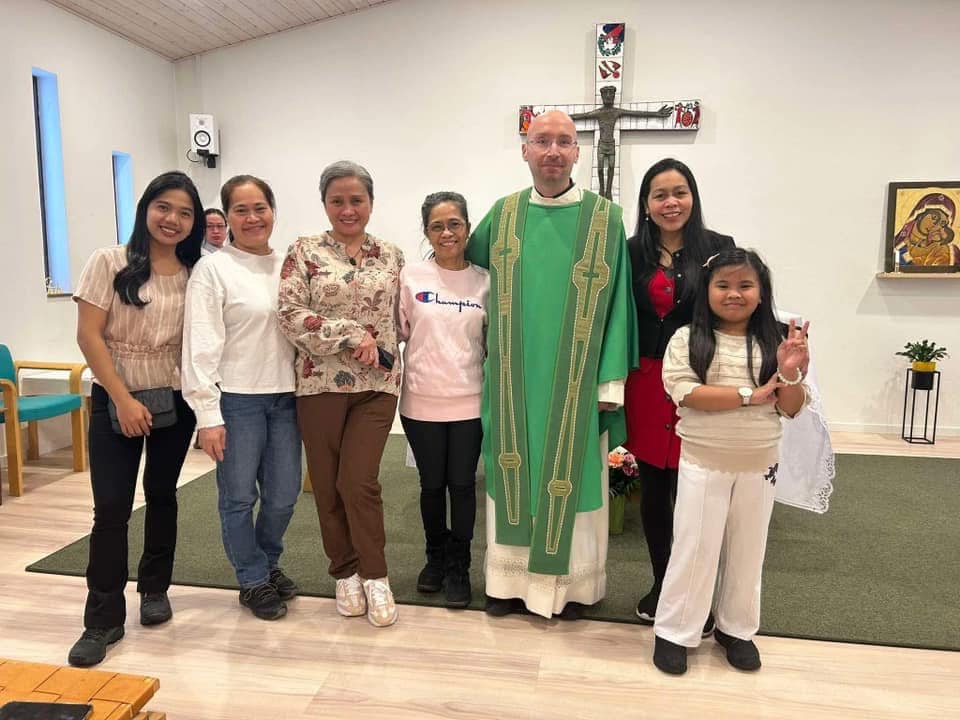
(Foto Majcen)
Do you have a message for us?
“Yes. Events are evolving rapidly, but we must not lose our moral compass. Greenland may be far from centres of power, yet what happens here shows how the world treats vulnerable places. As a priest, I believe that peace is not only a political choice, but a spiritual responsibility. I ask your readers to pray for wisdom, moderation and for a future in which cooperation is stronger than confrontation”.