
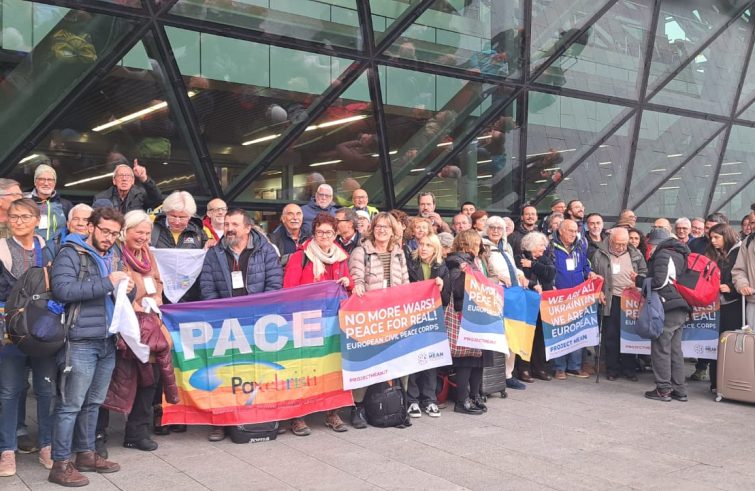
Destination: Krakow. A group of 110 Italian peace activists reached the Polish city’s airport on Wednesday, October 1st. Krakow was the first stop on their long train journey to Kyiv and Kharkiv. Thus began the “Jubilee of Hope” in Ukraine, an initiative promoted by MEAN (European Nonviolent Action Movement) with support from various associations and movements, including AGESCI, ACLI, MASCI, Catholic Action, the Focolare Movement, Sale della Terra, and Base. A group from the Secular Franciscan Order has decided to celebrate this Jubilee of Hope in Ukraine on behalf of the entire order during the Triduum in honour of St. Francis of Assisi, revered as the saint of dialogue at a time when weapons and wars ran rampant. Participants include mayors, members of city and municipal councils. In short, a diverse group of individuals embarked on a journey at a pivotal moment in the Russian-Ukrainian conflict to show solidarity, offer support, and share both tears and smiles. In a word, to bring “humanity” to a land severely tested by war. SIR met them at Krakow airport to ask them what had prompted them to risk their lives to bring this message of brotherhood to Ukraine. This is how they answered:
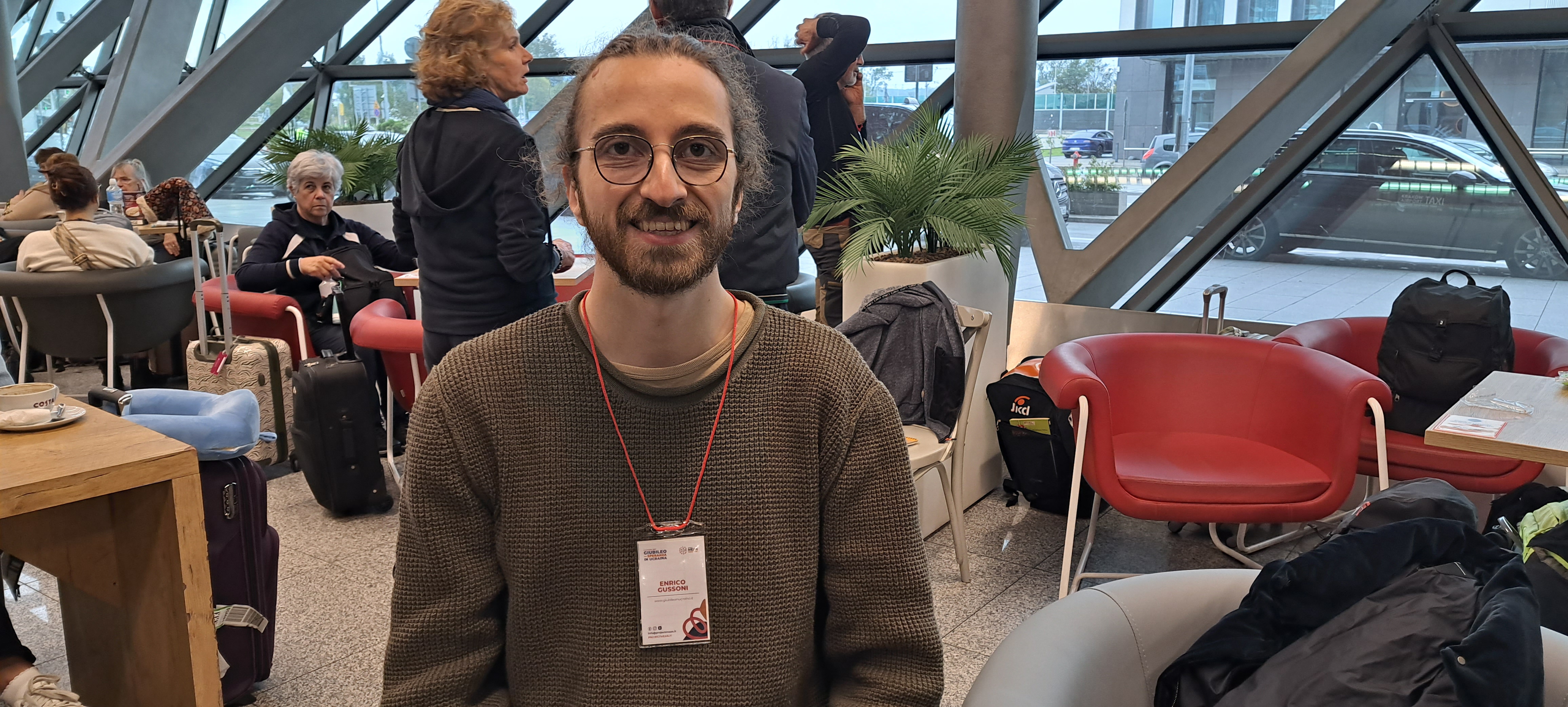 Enrico Gussoni, 31, AGESCI: “There are many reasons. I have been supporting the Ukrainian cause for years, feeling personally involved in it. My experience within the scouting movement and the political arena has driven me to take action. It’s as if the various paths of my life have come together in this decision: when I heard about this opportunity, I immediately recognised it as an opportunity to connect the many threads of my personal journey. However, I will not be going there to speak, but to listen and learn. I have my ideas, of course, but I think it’s more honest to put them on hold until I’ve seen the situation for myself. Having followed the news closely, including from Ukrainian media outlets, I think I know what to expect.
What interests me most, however, is not the rubble, but the people.
For some reason, I feel a kind of awe towards those who have been enduring this situation for years: I would like to understand how they face everyday life and how they find the strength to resist.”
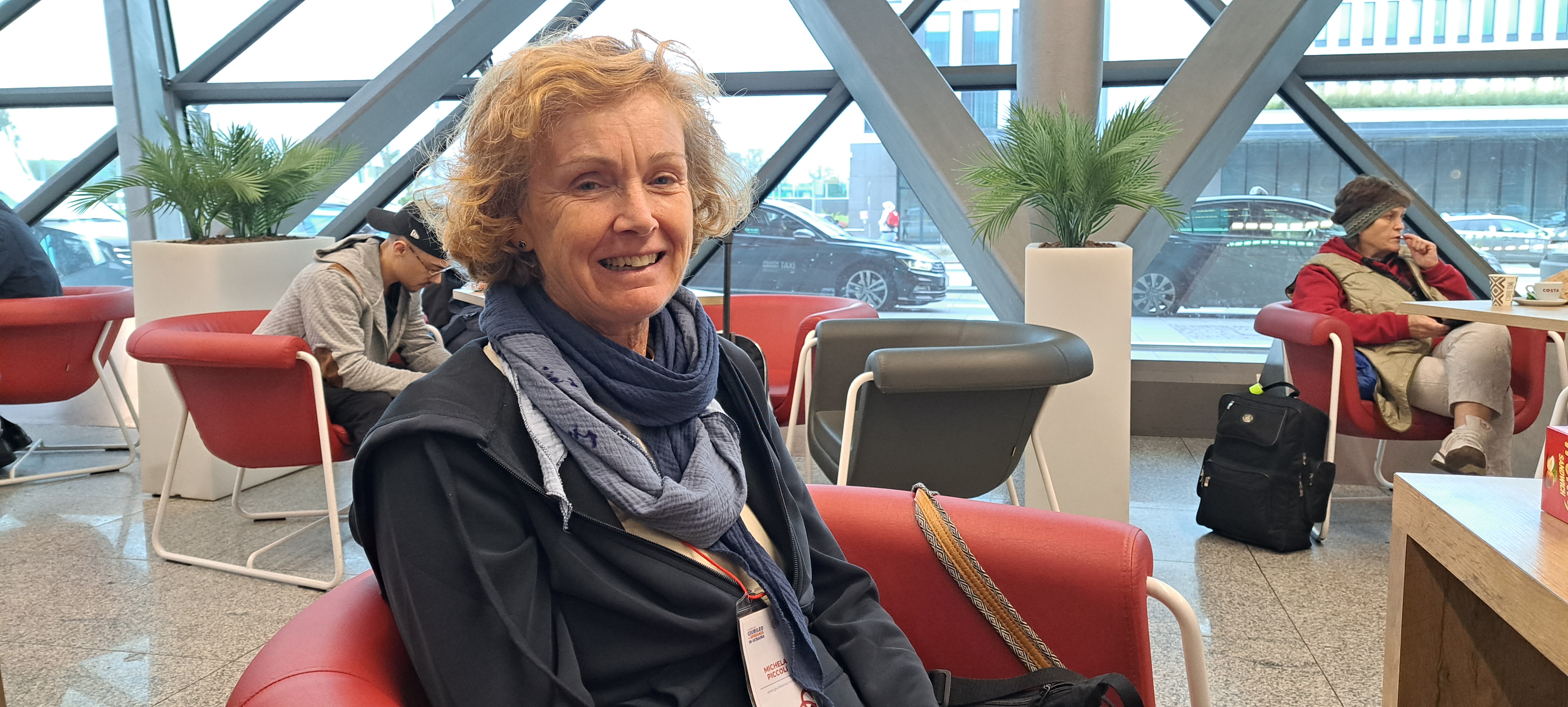 Michela Piccoli, Catholic Action, Bassano del Grappa. “I felt I had to travel here and see the situation with my own eyes, how these people are living in a war-torn country. Last year, I opened my home to a Ukrainian girl, and I saw the toll it had taken on her. I just couldn’t turn a blind eye; I felt that I had to experience this suffering firsthand. Last Sunday’s Gospel reading about the rich man who continues to eat a sumptous meal while facing Lazarus covered in sores, left a strong impression on me. It appears to me that we are spectators of the world’s afflictions on our television screens, yet we remain unmoved, untouched by their suffering. We see them on our screens, but they don’t seem to affect us. We are afraid, and this fear prevents us from really listening to people and looking them in the eye. What kind of diplomacy is this? It is a diplomacy that acts through the silence of our bodies. They have no weapons; they have nothing. Yet they are, and want to be, a sign of humanity.
If only we all had a little more humanity, there would be no wars.
 Paola Villa, ACLI. “We are here representing ACLI (Christian Association of Italian Workers) because we believe that peace is essential for living together and building the future today. We want to strengthen bonds of humanity wherever possible. From Gaza to Ukraine, and before that, the Balkans. We believe that it is these bonds that will bring hope and the possibility of positive change, even in dire situations where we feel completely powerless. We want people living in war zones to know that they are not alone. This is an attempt at popular diplomacy, which is facing greater challenges today because conflicts are more complex and less clear-cut. Popular diplomacy is therefore all the more necessary today.
Either Europe succeeds in developing an identity based on fostering relationships and peace, or it will cease to exist.”
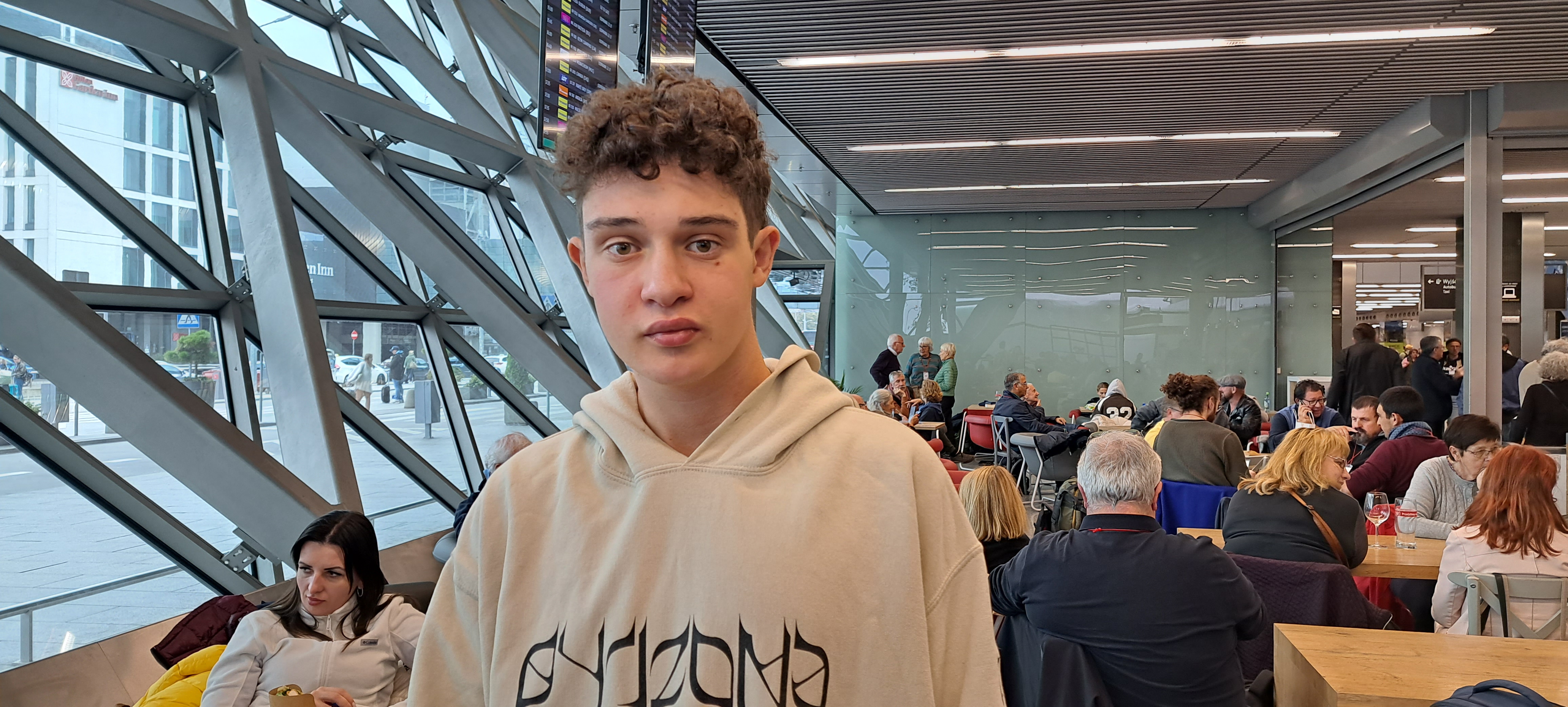 Paolo Petrella is a 21-year-old student of economic law at the University of Padua. “I decided to join this initiative to show my solidarity with all those affected by war. For me, showing solidarity means making them feel that they are not alone by listening to their personal stories and making them part of my own life. In my opinion, members of civil society can take action by mobilising peacefully, as we are doing.
In my view, if politicians are completely powerless, it is necessary to change course and change people’s mindset.
Politicians should make more of an effort to listen to people and find ways to engage in dialogue with them. I dream of a peaceful world where you can express your opinion without fear of prejudice or discrimination.”
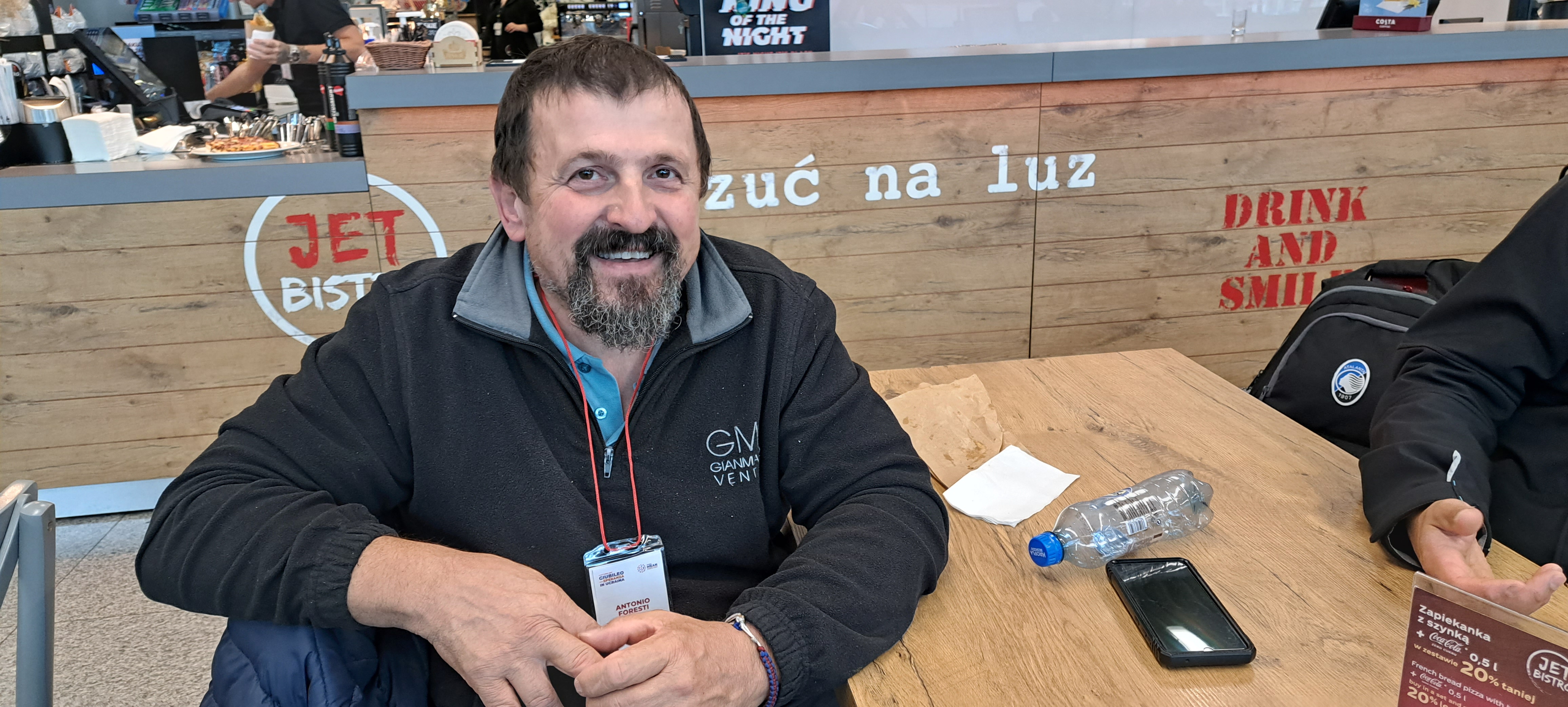 Antonio Foresti, Pax Christi, Bergamo. The motivation behind my decision to make this journey was the desire to demonstrate, through my presence, my closeness to a population suffering from war. I simply want to bring a smile to their faces. War breaks out when people lose their humanity. It takes nothing to ignite it, but it takes years to heal the wounds it causes. There are memories that hurt and lives that have been destroyed forever. I believe that the presence of organizations such as Médecins Sans Frontières or Pax Christi, is essential, even in a situation of conflict.
We are here to tell Europe and its political leaders that war is senseless; that it benefits only a select few while plunging countless others into despair. Not to mention the serious trauma, injuries and pain it causes. All of this causes great hurt.”