
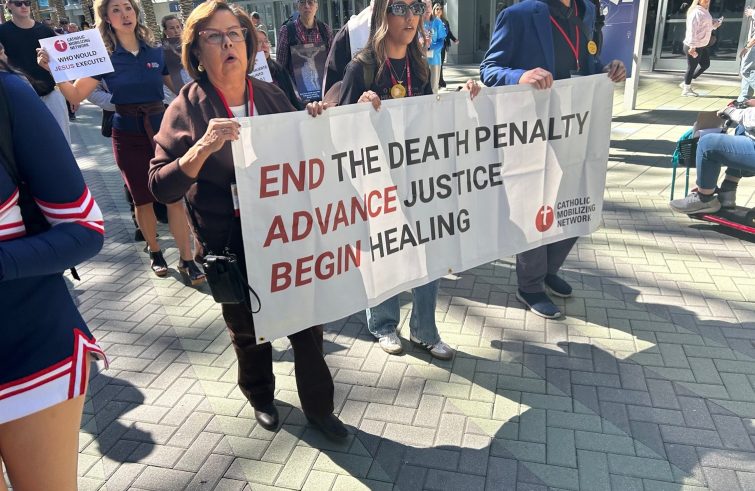
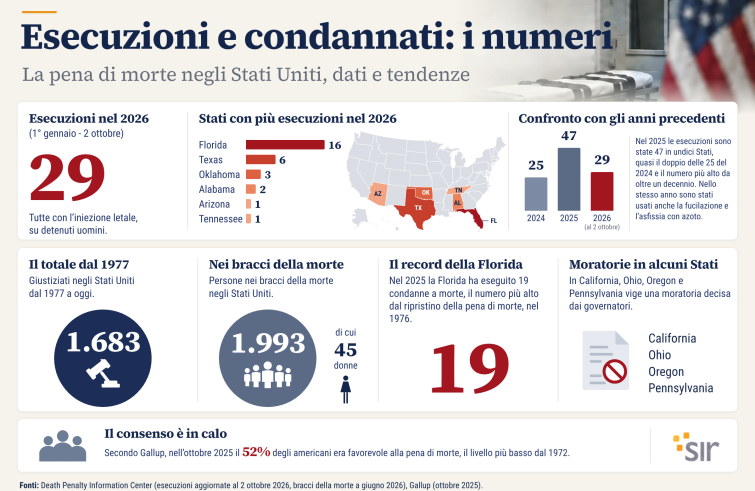
“State-sanctioned killing has a ripple effect across families, victims, corrections staff, attorneys, and communities. We as a community and society all suffer.” With these words, Krisanne Vaillancourt Murphy, executive director of Catholic Mobilizing Network, takes the case of Christa Pike beyond the borders of Tennessee. At the helm of a network founded in 2009 that works to end the death penalty and promote restorative justice, with more than 30,000 advocates among bishops, dioceses, state Catholic conferences, religious communities and lay leaders, she widens the lens to the whole country, where capital punishment remains on the books in 27 of the 50 states.
What does the failed execution of Christa Pike reveal about the current use of lethal injection in the United States?
There is nothing normal about taking a life. No execution method is humane: last week’s horrifying events remind us of that. For Tennessee to have two botched executions in a matter of months is beyond alarming. It is the epitome of “cruel and unusual punishment” under the Eighth Amendment of the U.S. Constitution.
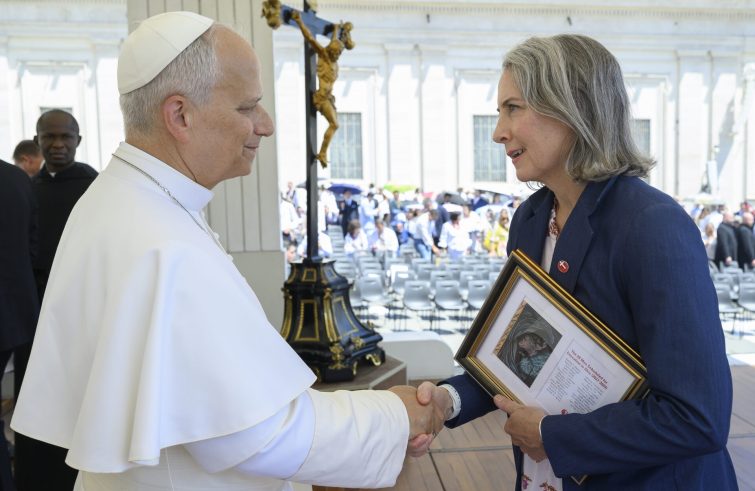
(Photo Vatican Media/SIR)
When an execution fails in this way, is the problem the protocol itself, or does it expose a deeper problem with capital punishment as a whole?
Every execution, whether successful or botched, is actually a failure because it is an affront to human dignity. The problem is not the protocol. The problem is the myth that somehow we can defend life by taking life.
The tragic execution attempt in Tennessee last week should be a wake-up call to the United States, and any country in the world with the death penalty, about the barbarism of state-sanctioned killing.
We don’t make our communities any safer or deter any violence by perpetuating that cycle with executions. In fact, when we tolerate capital punishment, we devalue humanity and life itself.
Supporters of the death penalty often argue that modern execution methods are controlled, medicalized and humane. Does this case undermine that argument?
The system of capital punishment has become all the more deceptive to make executions appear more palatable, sterile, and humane. But executions are never any of these things. Whether someone is shot, electrocuted, injected, or gassed, each and every execution extinguishes a God-given life with inherent dignity and worth. Each and every execution is a blatant act of state-sanctioned violence. Last week’s jarring events make that crystal clear.
-
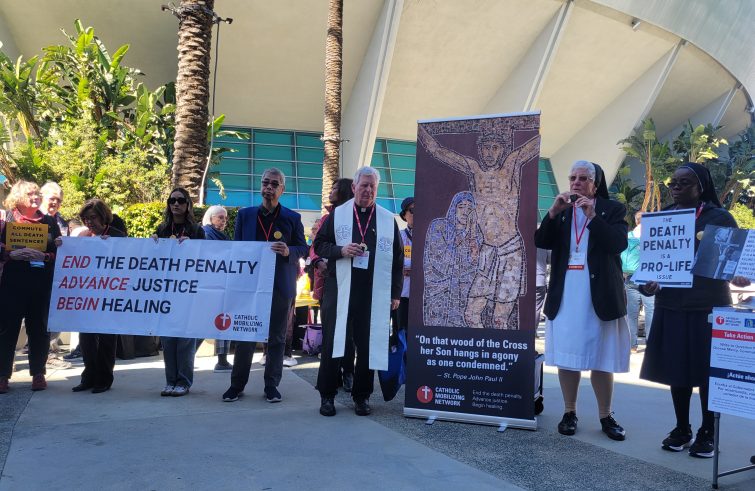
- (Foto Catholic Mobilizing Network/SIR)
-
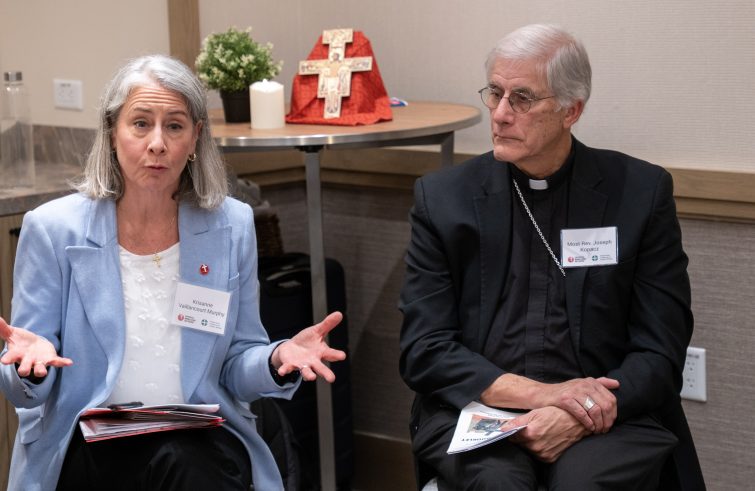
- (Foto USCCB/SIR)
Who else pays the price of capital punishment?
We also need to recognize the broader impact, the collateral damage of the death penalty, on the common good. State-sanctioned killing has a ripple effect across families, victims, corrections staff, attorneys, and communities. We as a community and society all suffer.
How can Catholics speak clearly against the death penalty while also taking seriously the suffering of victims and their families, especially in cases involving particularly brutal crimes?
As a Church, we need to accompany people who have been impacted by violence, create spaces for grief, and pathways toward healing and even forgiveness. Honoring human life means walking a different path than retribution and vengeance.
Catholic faith (Scripture, Tradition and Church teaching) calls us to seek a justice that holds people accountable without perpetuating the cycle of death, and to seek healing without taking another life. We must remember that every person is created in the image of God, no matter the harm one has caused or suffered.
We are called to respond to crime and harm in a restorative way that allows all those involved to understand the impact of the harm and do what is needed to make things right.
After Governor Bill Lee’s decision to halt executions, what concrete steps should follow, both in Tennessee and across the rest of the country?
The first step is to continue praying for the repose of the soul of Ms. Pike’s victim, Colleen Slemmer, for her family’s consolation during this painfully retraumatizing time, and for Ms. Pike, who is in critical condition in the hospital.
And beyond prayer?
Next, it is incumbent on all people of goodwill to take steps to dismantle our current system of capital punishment. Now is the time to express our outrage that this system continues to wreak havoc on real lives, families, and communities, and tarnishes our nation. It is time to advocate for a justice system that values human dignity and seeks to preserve life. In states with the death penalty, we must urge governors to place an immediate moratorium on executions and state legislatures to come together to swiftly abolish the death penalty. The death penalty is not a partisan issue, it’s a life issue. It is my fervent hope that this recent atrocity in Tennessee pricks the conscience of our country in a way that catalyzes an end to the death penalty forever.