
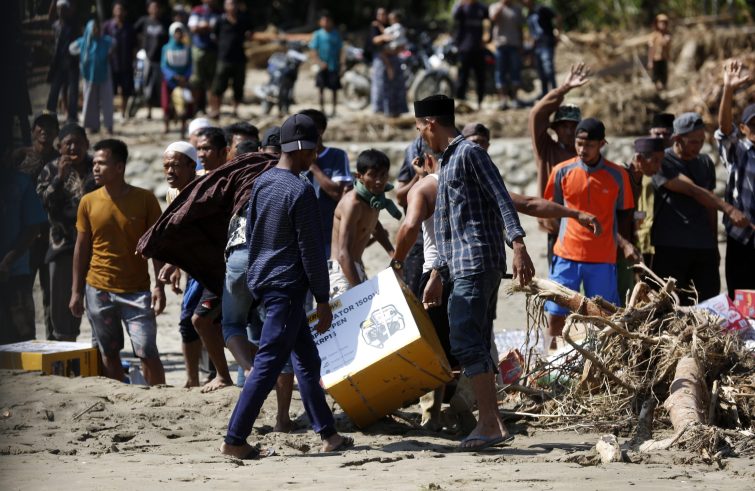
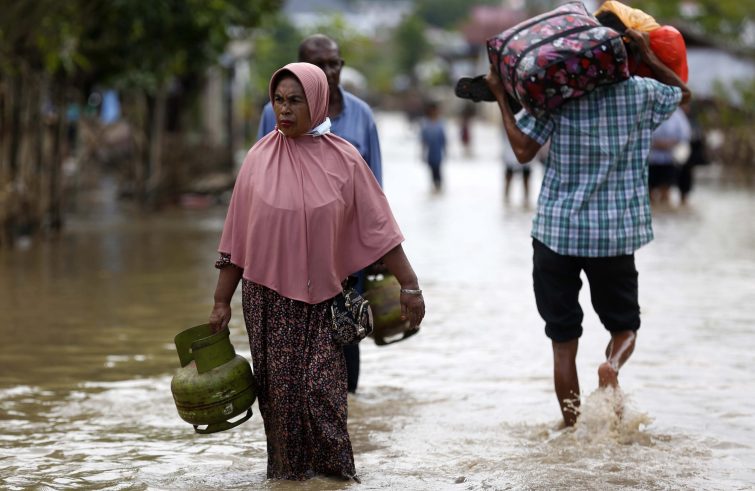
“The situation remains very serious, especially in the worst-affected districts where landslides and collapsed bridges continue to block access for relief efforts.” This is the assessment of Father Fredy Rante Taruk, Executive Director of Caritas Indonesia, following the torrential rains that struck the regions of Aceh, North Sumatra, and West Sumatra between 22 and 25 November. According to updated figures as of 3 December, there are 405 confirmed fatalities, 188 people missing, and 638 injured. More than 2.25 million people across 594,425 households have been affected, while over 579,000 homes have been damaged or submerged. “Some districts,” he explains, “remain completely cut off, including Tapanuli Tengah, Tapanuli Selatan, and Sibolga, where landslides and structural collapses have rendered key transport routes impassable.” Caritas Indonesia has classified the emergency as a Level III event, mobilising its national network. Funds have been sent to the dioceses of Sibolga, Padang, and Medan, while staff and members of the Core Response Team have been deployed to support the local Caritas offices. “Humanitarian service posts have been established in cooperation with the diocesan Caritas offices and the Catholic Women’s Organisation,” he continues. “Caritas Sibolga has distributed 760 food parcels and 400 hygiene kits; Padang has opened support centres in the hardest-hit areas; Medan has coordinated relief operations across several parishes and remote villages.” In certain areas, thanks to the support of partner hospitals, religious communities, and volunteer doctors, mobile units have been activated to provide basic healthcare. The response also includes psychosocial support for the most vulnerable groups.
(Foto ANSA/SIR)
Environmental causes and the call for prevention
“It is evident that deforestation and poor land management have exacerbated the impact of the rains,” stresses Father Taruk. In many of the affected areas, indiscriminate logging, soil erosion, and the lack of adequate drainage infrastructure have triggered landslides, mudflows, and flooding.
The Catholic Church in Indonesia continues to call for strengthened prevention measures and environmental protection through sustainable resource use, more careful land management, and proper disaster preparedness.
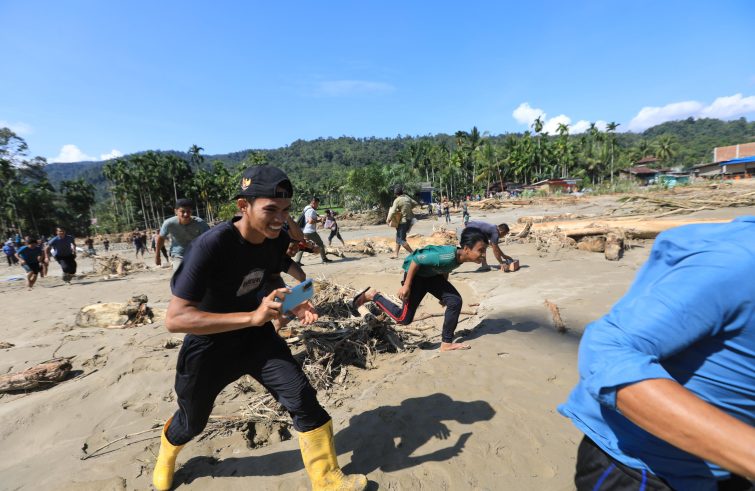
“We will continue to work with civil authorities, local communities, and international organisations,” he adds, “to reduce territorial vulnerability and promote a culture of care and shared responsibility.” Coordination with the National Disaster Management Agency has been effective. Emergency declarations in the affected provinces have allowed for the deployment of helicopters, boats, and intervention teams to reach the isolated areas. Yet major challenges remain. “Many access roads are still blocked by landslides, some bridges have collapsed, and numerous communities are reachable only by air or river transport. This slows aid distribution and complicates evacuations.” For the Church, the emergency cannot be separated from an integral vision of human development and environmental justice.
(Foto ANSA/SIR)
The Church as a presence that accompanies
“The Church in Indonesia seeks to be a concrete, humble, and faithful presence alongside those who suffer.” This is the ecclesial witness that Father Taruk wishes to convey, at a time marked by grief, uncertainty, and widespread poverty. “We offer a word of hope,” he adds, “because we believe that, through solidarity and cooperation, communities can rise again and rediscover trust.”
In this time of trial, Caritas aims to be a sign of charity that translates into action, listening, and sharing.
It is also a time of responsibility,” he adds, “to reassess our priorities, uphold the dignity of every person, and care for our common home.
The dioceses involved are already planning medium- and long-term interventions: reconstruction of housing, reopening of schools, psychosocial assistance, and basic services. “But no technical solution,” he concludes, “will be truly effective unless there is a shared awareness of environmental responsibility and the centrality of the human person. Every genuine reconstruction begins in the hearts of people: that is where hope takes root.”