
On 5 May, reports of illegal mining in Peru graced the front pages in a rare display of media attention, as the bodies of 13 kidnapped miners were discovered in Pataz, La Libertad. The miners worked for a Lima-based company called Poderosa, which is listed on the stock market and has been targeted by armed groups linked to illegal gold mining in recent months.
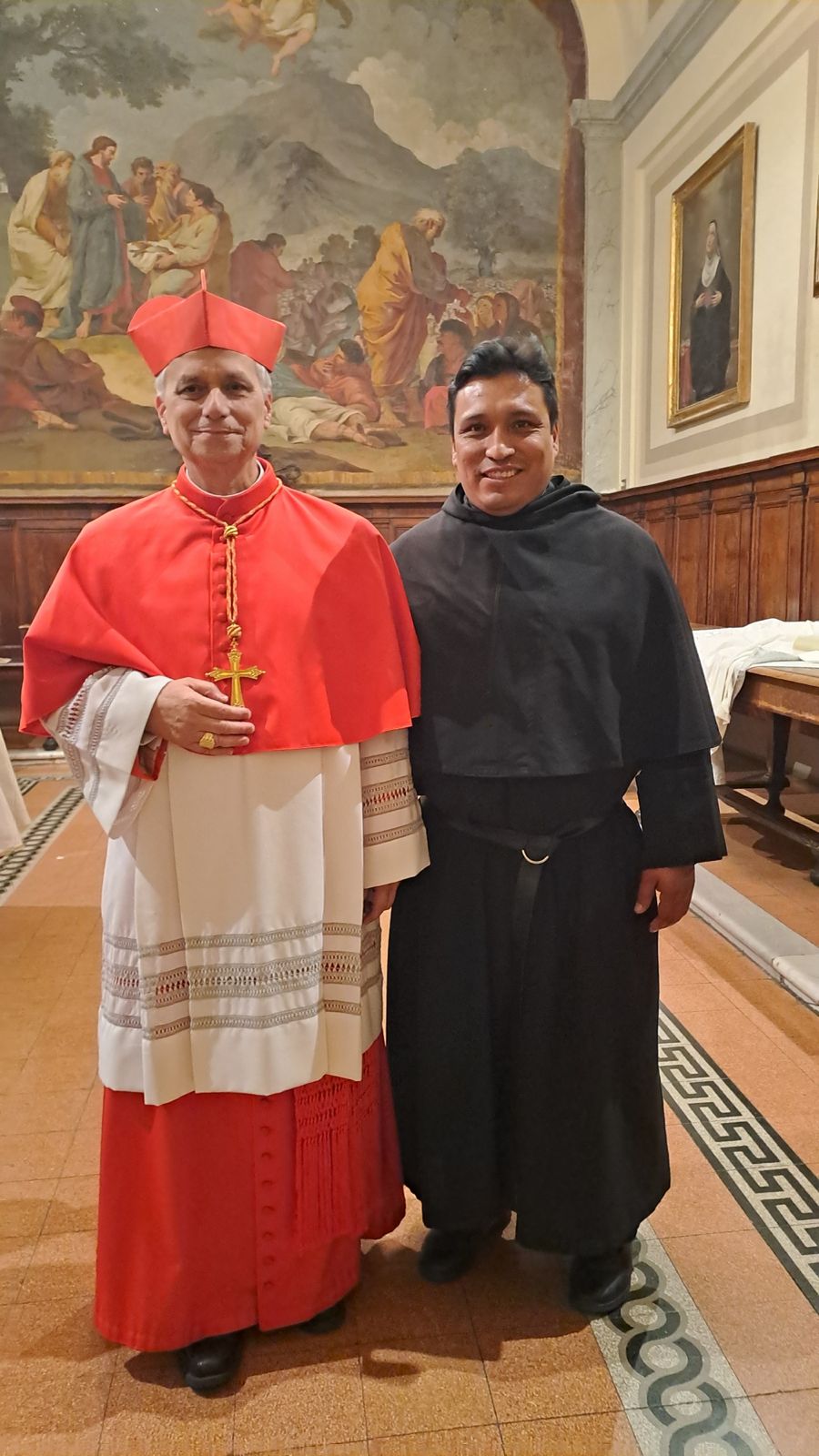
“Besides poverty, political corruption, social disparities, and inadequate access to basic services, illegal mining is one of the most serious issues facing the country,” said Father Raúl Estrada Herrera, an Augustinian (like Pope Leo, who served as a missionary in Peru), serving in the Vicariate of San Agustín in Apurímac. “Just like in other regions of Peru, we are facing challenges related to illegal mining, which is frequently incorrectly labelled as ‘artisanal’, and is conducted outside the law, involving tax evasion and causing environmental pollution.”
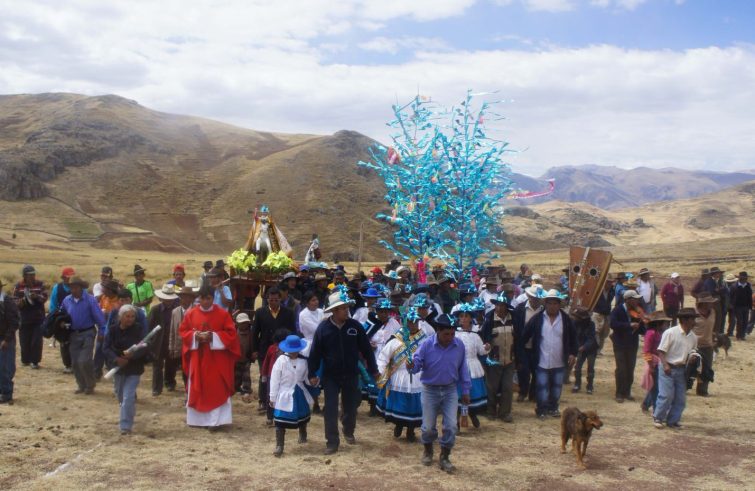
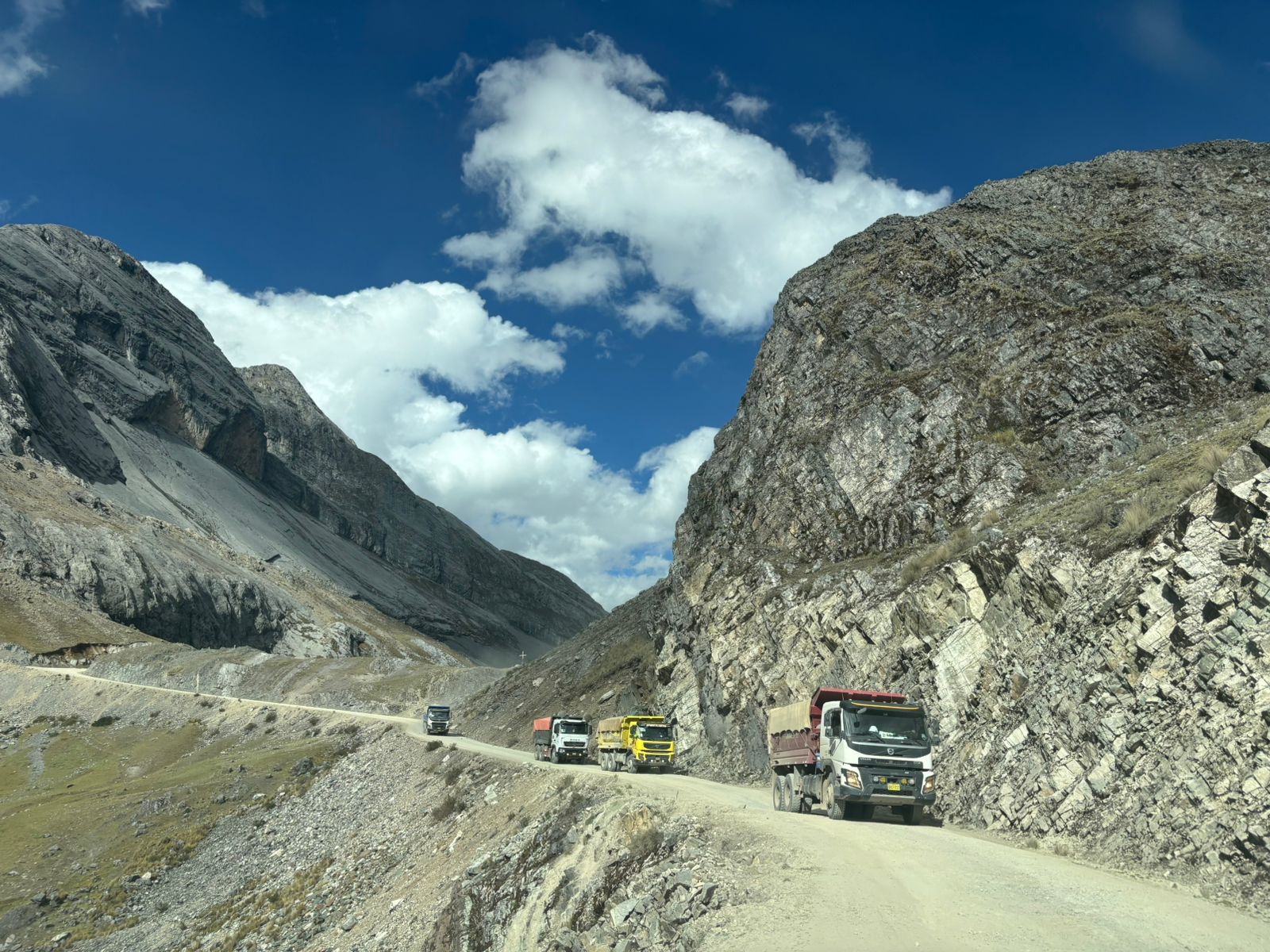
The bishop’s heartfelt plea. The Church has offered to mediate on multiple occasions via the Peruvian Episcopal Conference, but to no avail thus far. In an attack similar to the May incident, a dozen miners were killed in a gold mine in the same district of Pataz less than two years ago. In response, Monsignor Miguel Cabrejos, president of the Episcopal Conference of Peru, wrote an open letter to government authorities, calling for “transparency, certainty of punishment, a commitment to protecting the population, and an end to all forms of corruption.” No meaningful action has yet been undertaken. “The mineral resources being extracted are transported in overloaded trucks, causing damage to roads and hindering the passage of local transport,” says Father Raúl. “It is estimated that there are over 600 heavily laden trucks, some of which are reportedly used by local residents.”
“The social conflicts in the Chuquibambilla prelature are a powder keg, ready to explode at any moment. Like other conflicts in the region, many of these are directly linked to the Las Bambas mine and its ‘mining corridor’.”
The Corridor minero and illegal trafficking. Spanning roughly 500 kilometres, the ‘corridor minero’ links the Apurimac region and the Las Bambas mine to the district of Espinar, continuing to the seaport of Matarani on the Pacific Ocean. From there, copper, zinc, silver and gold are shipped out on large cargo ships, mostly bound for Asia. Sadly, farming communities living along this route have experienced significant disruption to their way of life. The heavy truck traffic has caused serious structural damage to their fragile dwellings, while the influx of multinational companies and rapid, unmanaged population growth has led to social issues such as crime, alcoholism and prostitution, which have severely affected the area’s delicate social fabric.
Spiritual and social needs. “The Augustinians have a presence in various regions of Peru: Lima, Iquitos, Apurímac, La Libertad and Piura,’ says Father Raul. Each of these communities have their own particular reality and mission, seeking to respond to the spiritual and social needs of the local population. In the Peruvian city of Cusco, the Augustinians are responsible for the spiritual guidance of the parish of St. Rita, they run the St. Augustine of Hippo private school and the Lucia Vannucci Maiani polyclinic, a facility offering access to essential healthcare at affordable costs, in addition to a physiotherapy and rehabilitation service in high demand.
Some of their expenses are covered by international cooperation projects funded by the Italian Episcopal Conference.
 Close to the people. The Augustinians serve the Quechua population in the Andean region; they were the largest ethnic group within the Inca Empire, and they still make up a large proportion of the population in Peru and Bolivia today. “The Quechua predominantly live in the Andes where they are faced with significant challenges, including cultural exclusion, institutional neglect and limited access to education, healthcare and employment.”, says Fr Raul However, they are determined to improve their lives despite these challenges, and they have a strong attachment to their identity.” “The Catholic Church has a significant presence in Peru that is closely connected with local communities”, concludes the prelate. “Parishes, movements and missionaries are engaged in evangelisation, promoting human development and defending human rights. The Church remains a source of support in times of need, although popular religious practices have become deeply intertwined with indigenous beliefs, especially in rural areas. This is a complex situation that requires dialogue and respect – the prelate concludes – . Nevertheless, here in the Andes and in our prelature at least, we are grateful that the Christian faith has lived on, in part thanks to this sincere popular religiosity.”
(*) Popoli e Missione