
Following a series of subpoenas from an ecumenical and interfaith coalition of 27 Christian and Jewish groups, and a lawsuit filed by Quakers, a Baptist cooperative and members of a Sikh temple, the United States Conference of Catholic Bishops (USCCB) filed a lawsuit against President Donald Trump’s administration. The reason for the lawsuit is the abrupt termination of funding for a programme that helps refugees resettle in the US, considered an illegal and harmful decision that hurts both immigrants and refugee resettlement programmes.
In the lawsuit, filed in the U.S. Court for the District of Columbia, the USCCB stresses that the resettlement programme is not foreign aid, but an initiative that exclusively provides “domestic assistance” to government-vetted refugees who have entered the United States legally and are in need of housing and employment.
In addition, the text of the complaint reiterates that the freezing of millions of dollars, including reimbursements for services rendered to refugees prior to the sudden suspension of funding, is unlawful and violates multiple statutes, including the constitutional provision granting budgetary authority to Congress, which has already appropriated these funds. The Bishops’ Conference also denounced the consequences of this decision, which has led to the dismissal of 50 staff members of its Migration and Refugee Services and the downsizing of the local offices of Catholic Charities. “The conference suddenly finds itself unable to sustain its work to care for the thousands of refugees who have been welcomed into our country and entrusted to the care of the USCCB by the government after being granted legal status,” said Archbishop Timothy Broglio, president of the USCCB. Archbishop Broglio noted that “the Catholic Church always works to uphold the common good of all and to promote the dignity of the human person, especially the most vulnerable among us.”
As of 25 January 2025, there were 6,758 refugees assigned by the government to USCCB’s care that had been in the country less than 90 days, the period of time for which they’re eligible for resettlement aid.
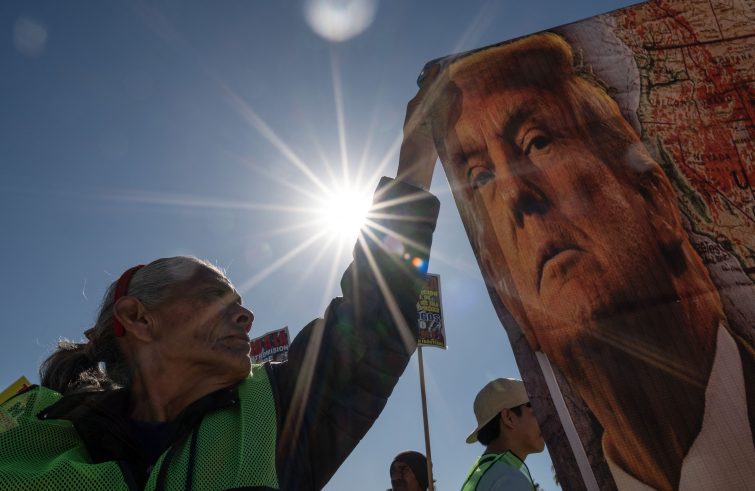
The US bishops said they were still awaiting reimbursements from the government totalling about $13 million for expenses incurred before 24 January. They noted that for some of these programmes, the Church has directly funded more than $4 million without requesting reimbursement. In addition to the lawsuits filed by several parties, a range of protests have been mobilised across the country, including public demonstrations, debates and legislative proposals. These include Illinois Representative Jesús G. Garcia, who reintroduced the Protecting Sensitive Locations Act. This legislation seeks to protect people from immigration raids in places of worship, hospitals and schools. The bill would also prevent such actions near funeral homes, childcare centres, pregnant women, social security offices and polling stations.
Many immigrants now avoid entering grocery stores, going to Mass, or even to the hospital for fear of being arrested by immigration officers. Churches and congregations have offered online religious services so as not to put worshippers at risk, and provided ‘Know Your Rights’ awareness courses. Lawyers from different religious groups offered advice on how to respond to immigration raids during religious services. Support networks have also been set up to meet the needs of families when a member has been arrested, providing meals and childcare. Rep. Garcia has been promoting the bill, insisting that the United States “cannot become a government that normalises cruelty.”