
Two figures may help to frame the latest developments in European Union policies on immigration and asylum. The first concerns the acceptance rate of asylum applications: according to Eurostat, in 2024, more than half of the 754,290 asylum applications lodged (51.4%) were approved. Applicants are recognised as deserving protection because of wars, persecution and violations of fundamental rights. The second figure is the rate of expulsions for migrants ordered to leave the EU: only 27%.
The New Pact on Migration and Asylum, adopted in 2024, is primarily aimed at increasing expulsions (returns are mentioned more than 90 times). In reality, however, it also seeks to influence the first figure, that is to say, to reduce the number of people received. A wind hostile to reception and to humanitarian values is blowing. This is confirmed by the vote in the European Parliament on the provisions concerning safe countries (an implementation package of the 2024 Pact), where there was convergence between the European People’s Party and the radical right. On this issue, such alignment is now becoming a consolidated axis.
Under the new provisions, the concept of a safe third country is structured around two levels. The first level concerns countries of origin defined as safe. For their nationals, when they submit an asylum application, accelerated procedures and detention at the border are now envisaged. The intention is to return them swiftly, before they are able to achieve any form of integration within the territory by finding employment or establishing social ties. The EU now proposes a single common list, instead of the national and inconsistent lists previously adopted. The list includes only seven countries, instead of the nineteen identified by the Italian government, yet it is nonetheless striking: Bangladesh, Egypt, Kosovo, Tunisia, Morocco, Colombia and India appear on it. One cannot but think of Patrick Zaki, of imprisoned political opponents and of persecuted Christians in several of these countries. The second level concerns countries that the EU would like to oblige to receive asylum seekers in its stead, defining them as safe. Here the list expands to include countries with which applicants have a connection, through which they have transited, or with which agreements have been concluded for the examination of applications on site.
Yet the most controversial provision is another: the possibility of expelling those concerned to third countries, thus circumventing the resistance of many governments to readmit their own expelled nationals. The concept of return hubs enters the vocabulary of migration policies. In the name of deterrence, there is a plan to send migrants arriving from South Asia to some African country, and vice versa.
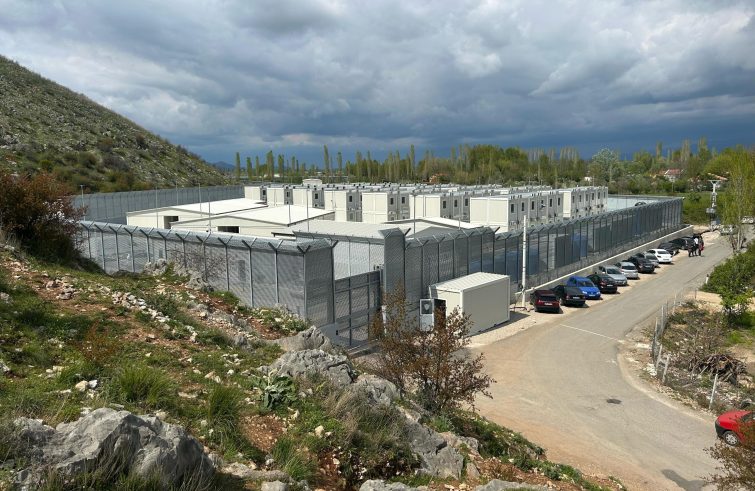
As for the legitimisation of the so-called “Albania model”, a distinction must be made. There is consonance between the tougher measures adopted by the EU and the Meloni government’s vision, but there is no link to the establishment of reception centres outside national borders. The centres in Albania had been set up to detain those seeking to enter; those adopted by Brussels are intended to “offload” those who are required to leave.
The greatest contradiction, however, lies elsewhere. The Italian government has in fact reopened the doors to labour migration through a 2026–2028 immigration decree allowing 500,000 new arrivals, and other EU governments are following suit. Some, such as Sweden and Germany, are regularising rejected asylum seekers who obtain employment. The idea seems to be to calm public anxiety and counter national-populist pressures by closing the doors to the most vulnerable — those seeking asylum — and by conveying the illusion of closed borders. Yet borders will continue to be crossed and, unless we change our language and vision, we will build a European society in which migrants will continue to arrive but will be treated as unwanted and excluded human beings. We should instead always remember that the labourers who come are persons.