
A €10 million decrease compared to 2024. Caritas-Spes Ukraine has seen a considerable decrease in donations. Since the start of the full-scale war in Ukraine in February 2022, the Catholic Church organisation received a total of over €45 million in aid. However, the budget has plummeted this year. Aid workers only have €6.6 million to rely on for the whole of 2025. It was €16.5 million in 2024, and in 2023 it amounted to almost €15 million. “Of course, there are many emergencies in the world. But while we received significant support at the start of the large-scale Russian aggression, unfortunately, this aid is now declining dramatically,” says Monsignor Oleksandr Yazlovetskyi, auxiliary bishop of Kiev-Zhytomyr and president of Caritas-Spes, describing the financial difficulties faced by the organization. “Even religious foundations operating in our territory, whose contribution to helping the population was fundamental at the beginning of the war, have lost the capacity to respond to ongoing needs,” adds the bishop.
The amount of aid is decreasing, how bad is the humanitarian emergency?
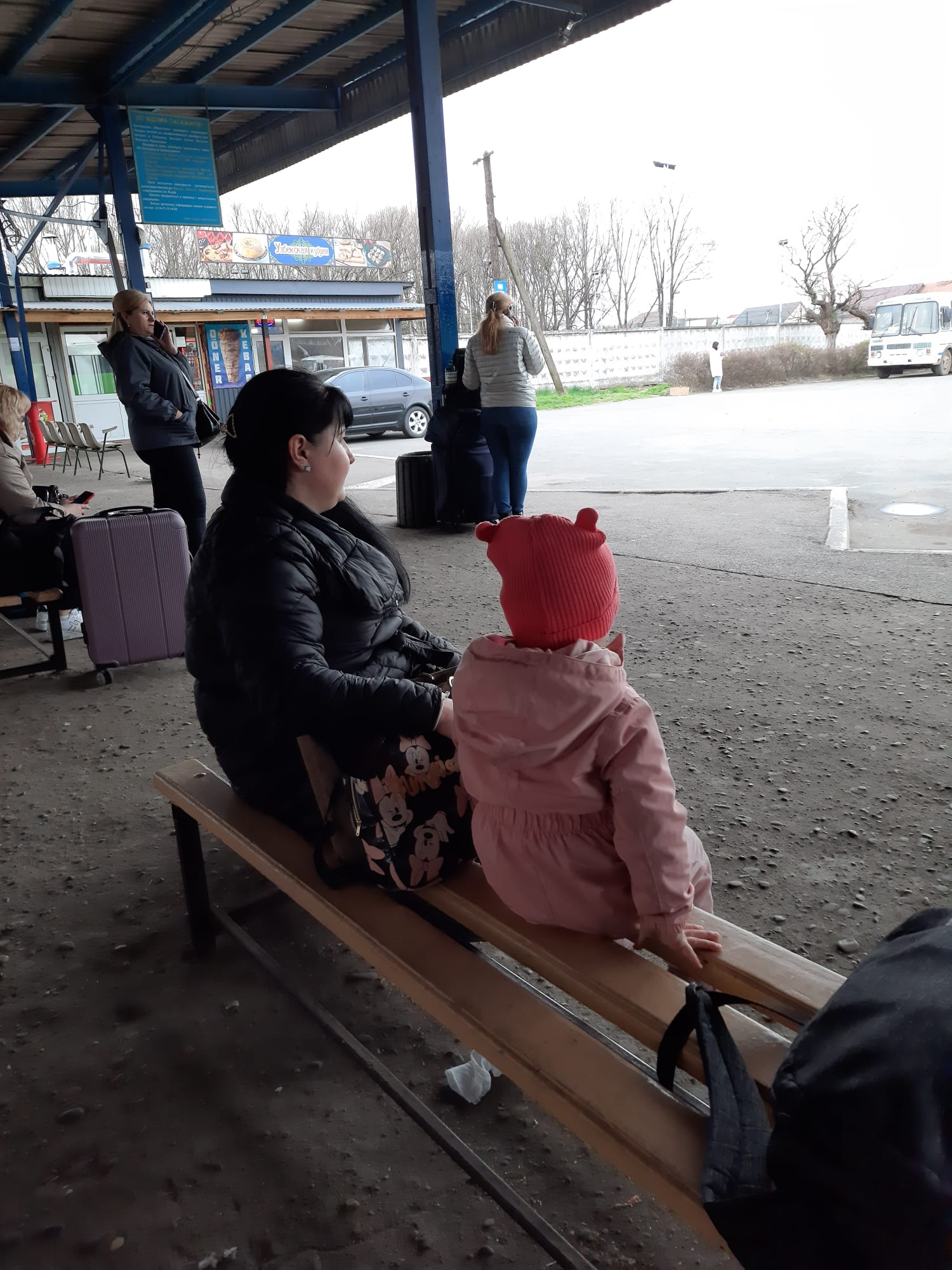
The war rages on. Russian forces are advancing every day and occupying more villages. The local population is fleeing these areas. There are still many refugees displaced by the war. Initially, people fled with only a few items in their bags. Now, they have become more organized and are collecting their belongings, but the situation remains the same. They have reached big cities. Some people settle in Kyiv. Others decide to travel further to western Ukraine. They no longer head towards European countries. Some countries are asking Ukrainians to return to their homeland. Others are saying that aid will no longer be provided. Other countries still have stopped giving them permission to remain. Displaced persons have heard all these rumors and have thus decided to stay in Ukraine. They arrive in big cities with whatever savings they have left. They rent flats and wander around looking for work in an attempt to get by. But their needs are increasing every day.
Are the displaced persons knocking on your doors for help?
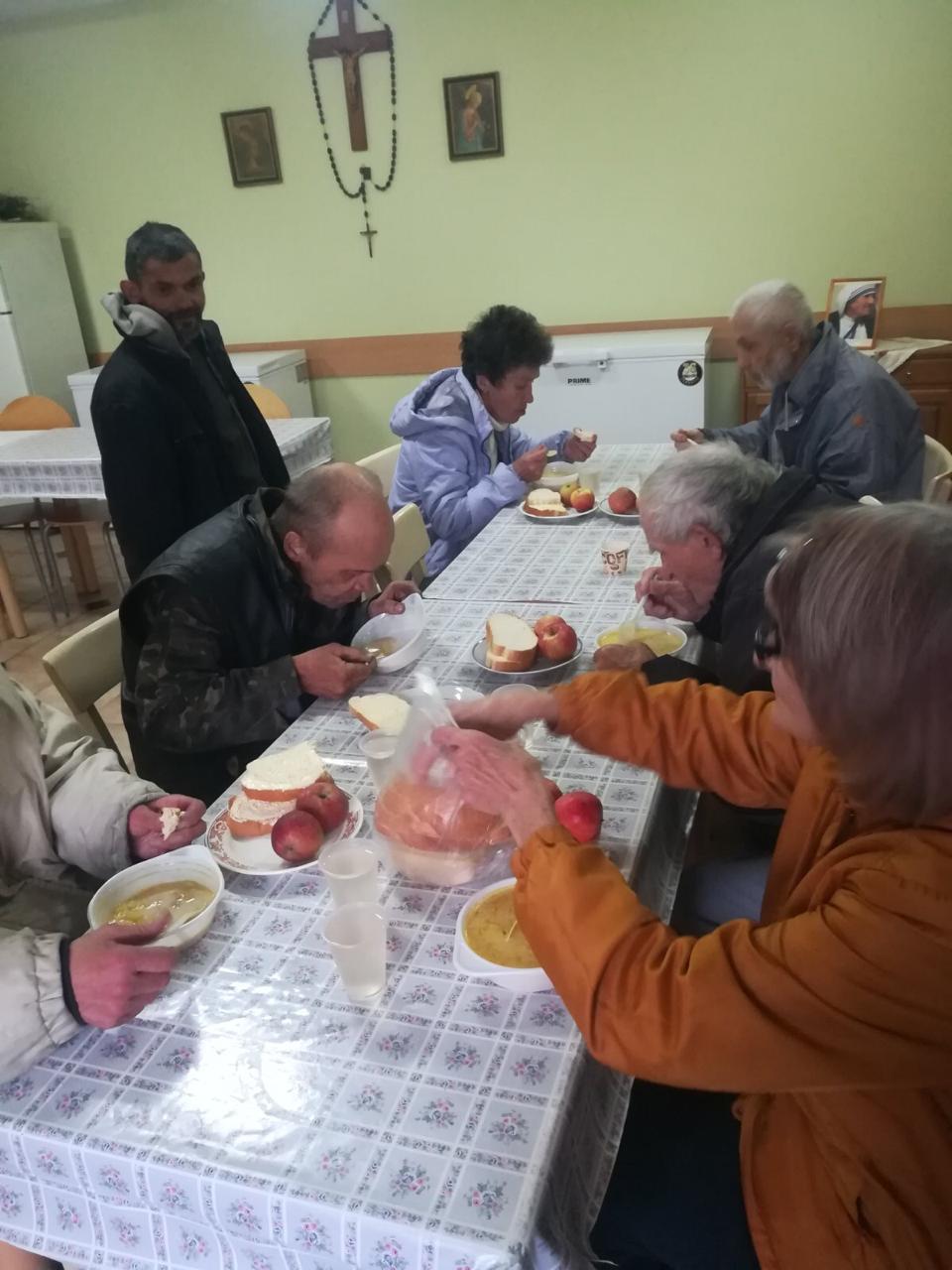
Not only. We opened a soup kitchen in Zhytomyr. It caters not only to displaced persons and individuals in need, but also to people who were previously financially secure and are now struggling to make ends meet. Among them are teachers and formerly employed individuals who have lost their jobs.
These are people you would never expect to be experiencing hardships, but when you talk to them, each one says they struggle to get by.
Basically, it’s not just the war that’s killing people, but also poverty…
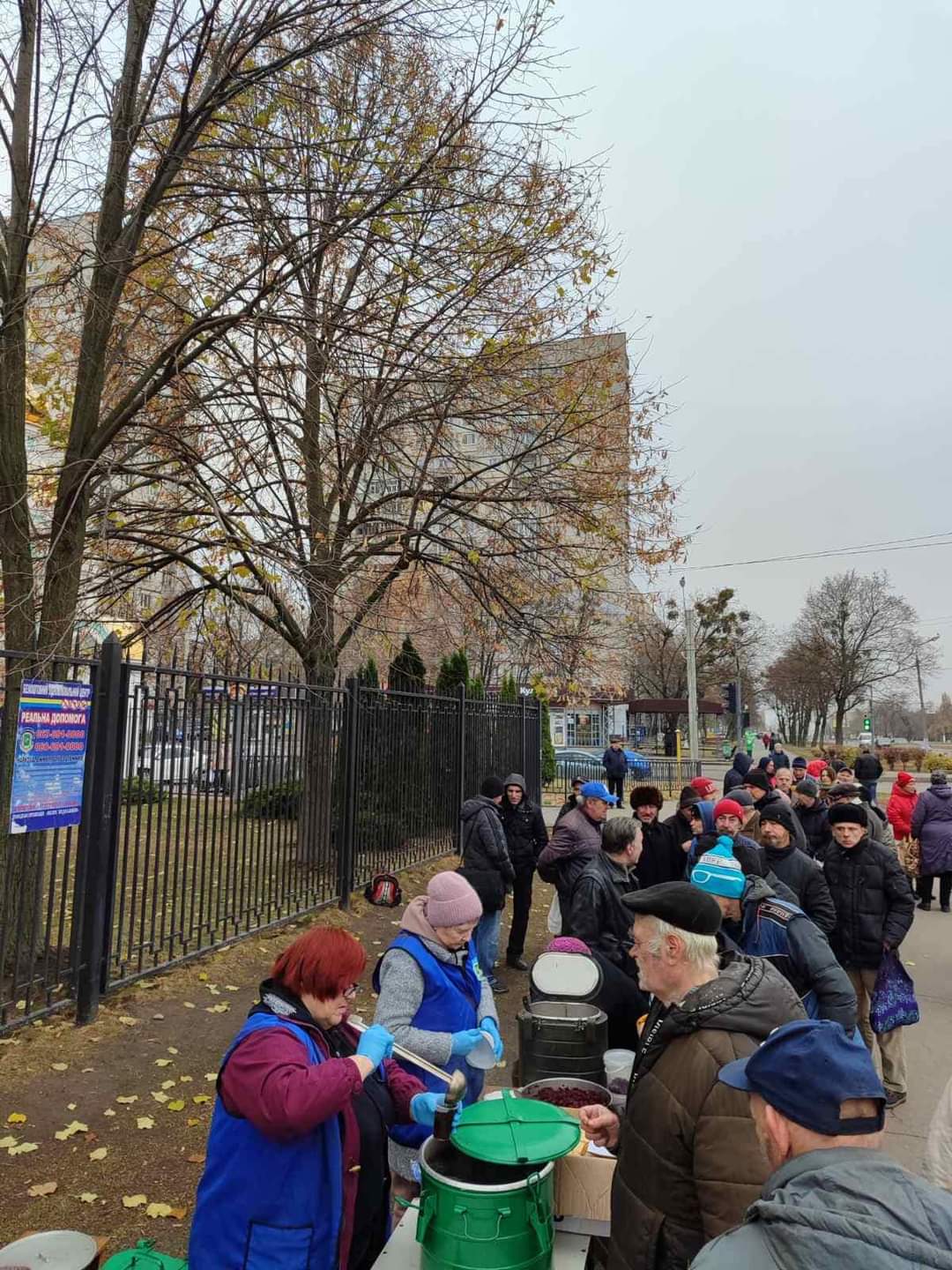
When delegates from a variety of organisations that provide us with assistance visit us, they are astonished to discover that the stores are still operating and that, at first glance, nothing appears to be missing. But the people have been affected. They struggle to buy even the most basic necessities because they have no money. Prices are rising, but salaries have remained the same.
How have you been responding to the situation?
At Caritas, we remain committed to our ongoing projects, which include rebuilding bombed houses and providing the population with vouchers and food. Nevertheless, new challenges are emerging.
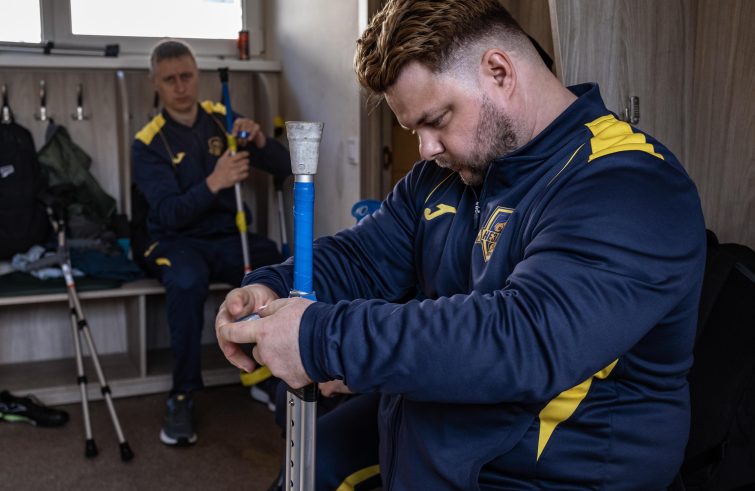
One of these is the large number of soldiers who are returning wounded or maimed from the battlefield. Some have deep psychological issues and trauma. They are sent home simply because they are no longer fit to serve.
Caritas is therefore responding by implementing new projects for these families.
Which segments of the population are most affected by the crisis?
Women, I would say. There are many families whose men have all been sent to fight at the front. The women left behind must run the households and make ends meet. They are struggling too and need psychological and spiritual support. However, there are not enough psychologists. On top of that, there is a lack of vocational training for professionals in this field. The family is the second casualty of this war. Recent figures show that almost 8 million Ukrainians are currently living outside of Ukraine, most of them women. They have been away from home for three years, have not been in contact with their husbands at the front, and their families are divided.
The rise in the number of divorces obtained online, simply by accessing an app, is a result of this situation. The family in Ukraine has been wounded.
Would you like to send out an appeal?
We are grateful to Pope Leo XIV for offering his and the Holy See’s availability for acting as mediators in the conflict from the very beginning. The people of Ukraine have responded immediately with great respect and gratitude for the Pope. There is a proverb that says, “The darkest hour is just before dawn”. That is how we feel right now. The intensity with which our cities are being bombed is perhaps unprecedented. It feels as though we are living in the last days of darkness, but we know that, with God’s help, something good is on the horizon.
Our plea remains the same: do not forget us, and do not forget to pray for peace.