
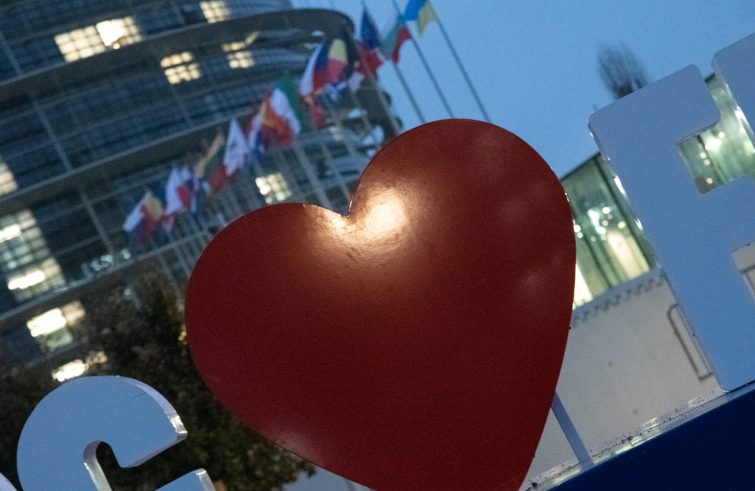
Europe carries a burden of “age-old” challenges on its shoulders, not all of which have been fully addressed. And new ones are constantly emerging. Notable challenges from the past include: peacebuilding (the first major common goal), creating a stable and mutually beneficial barrier-free single market (with free movement of people, goods, services and capital), ensuring the well-being and security of all citizens, promoting international cooperation while remaining “open to the world.”
New challenges have gradually been added to the list:
population ageing and the demographic crisis – while in other parts of the world many children are being born and the demographic profile is young and promising; the worsening effects of climate change and the consequent need to protect the natural and human environment; the erosion of participatory democracy and the overwhelming rise of populism and nationalism; political instability in various parts of Europe. Not to mention migratory pressures, the Covid pandemic, the war in Ukraine (following the Balkan conflict). Add to this the trade war unleashed by President Trump.
The history of Europe goes back thousands of years.
New developments, periods of war and peace, declines and remarkable rebirths punctuate its history. For centuries, Europe was “where history was made” (including dark periods such as colonialism).
Times have changed, however, and it is generally acknowledged that Eurocentrism is a thing of the past. That said, the twenty-seven member states of the European Union today work together with common goals and common rules across a range of political, institutional, economic and even military domains according to a modus operandi found nowhere else in the world. Sometimes this cooperation produces tangible results, while at others it is plagued by delays, mistakes and misunderstandings.
This remains the case still today.
The defence-rearmament issue, US tariffs, worrisome economic trends, the prospects of the digital revolution, the reception (or lack thereof) of migrants, huge disparities in living standards and welfare, the prospective Green Deal: these are all open questions with which the EU is struggling to come to terms.
Once again, the European Union seems to be on the verge of implosion. And yet there is a chance that its 27 member states – or a varying number of them? – united in their efforts to address current challenges, will rekindle the spirit of the “common home” they share. Nothing is certain: it all depends on the existence of truly pro-European leaders who firmly believe that there is strength in unity, and of citizens who are proud to be European citizens and not just citizens of their home countries. There are no clear answers yet, but they may be just around the corner.