
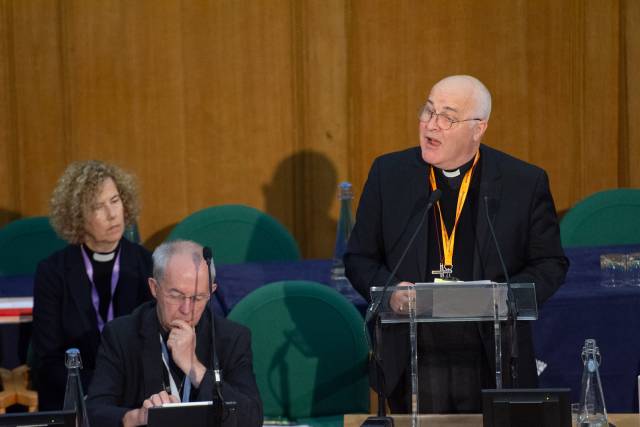
Archbishop Stephen Cottrell of York, who assumed temporary leadership of the Church of England on 6 January following Justin Welby’s resignation, began his Presidential address to the Anglican Synod with reference to the imminent appointment of his successor. The national assembly of the Church of England met at the University of York from 11 to 15 July to discuss, inter alia, financial provisions to raise clergy stipends and pensions, the Church’s response to growing levels of conflict in contemporary society, and the presentation of a report on the recent upsurge in Sunday Mass attendance. “As we continue the process of discerning whom God might be calling to be the next Archbishop of Canterbury, it is this spiritual and theological leadership that we need more than anything else,’”said Archbishop Cottrell. “Moreover, recent research such as the one conducted by the Bible Society encourages us and challenges us in equal measure, since it appears to be those churches that offer a depth of tradition that are noticing new people in their midst. Also, that churches are becoming more diverse.” The Synod in York also gave its approval to the comprehensive Redress Scheme for survivors of church-related abuse. The scheme, which includes therapy and financial compensation, had been delayed several times, but a specific start date has yet to be announced. 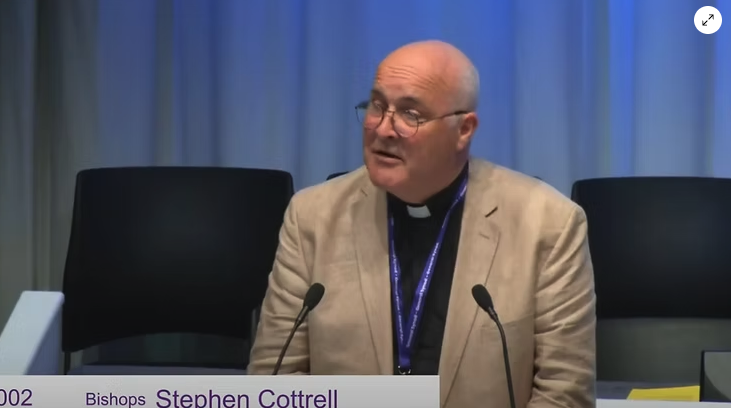 War was also an item on the agenda of the three houses representing the structure involving bishops, clergy and lay people who lead the Church of England. Jaish Mahan, a senior army officer, and Hugh Nelson, the Anglican bishop to the armed forces, discussed the growing number of conflicts, the role of churches in providing spaces for prayer and peace, and the crucial function of military chaplains in high-risk situations. On Sunday afternoon, the Synod heard an address from an ecumenical guest: Bishop Jan Otto Myrseth of the diocese of Tunsberg, a member of the Church of Norway — an evangelical Lutheran denomination and the largest Christian presence in the country. Also on Sunday afternoon, a presentation titled “Church Growth and Revitalisation” highlighted the growth in Sunday attendance at Anglican churches. A video showcased the renewed vitality of Anglican parishes, especially those that engage with children and youth and heard from young people sharing stories from their respective contexts. Later on Sunday afternoon, lay people, clergy and bishops attended a presentation on the ‘Thy Kingdom Come’ initiative: a global ecumenical prayer movement that encourages Christians worldwide to pray for new people to come to know Jesus and the Gospel.