

“The Venezuelan people have a clear democratic vocation. They have repeatedly chosen the path of peace and elections, and they remain committed to doing so today.” Therefore, “the bishops desire that Venezuelans may resolve their problems and differences peacefully”. Monsignor Jesús González de Zárate, Archbishop of Valencia and President of the Venezuelan Episcopal Conference, reiterated this in an interview with SIR in Caracas, commenting on the tension between the United States and Venezuela. US President Donald Trump has deployed the largest naval fleet ever seen in these waters, comprising 15,000 military personnel and the world’s largest aircraft carrier. The stated objective is to combat drug trafficking from Venezuela, but Trump has repeatedly expressed his intention to depose President Nicolás Maduro. In recent days, however, the two leaders have expressed a willingness to engage in dialogue. According to international observers, the risk of American intervention is very high, as the Venezuelan army is still strong and this could lead to civil war or a more extremist leader seizing power. Rumours in the press suggest that Trump intends to rely on secret CIA operations rather than sending combat forces to Venezuelan territory. María Corina Machado, the Venezuelan opposition leader and Nobel Peace Prize winner, has released her ‘Manifesto of Freedom’, a document in which she states that the country is “on the verge of a new era”, announcing that “the regime’s long and violent abuse of power is coming to an end”. Meanwhile, the Venezuelan people are living in limbo, caught between struggling to survive in a collapsing country and fearing escalating tensions. “In difficult times like these,” says the president of the Venezuelan bishops, “goodness and truth must prevail. In this sense, citizens and leaders must prioritize the dignity of the people and the common good over personal and partisan interests”.
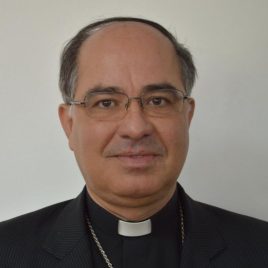
A large US military force has been deployed off the coast of Venezuela, and Trump has threatened to remove Maduro from power. How is the population experiencing this delicate moment? What feelings predominate?
The understanding of this reality held by the Venezuelan people is mainly shaped by the information they receive through social media, certain media outlets, and informal conversations. These sources present a multifaceted, constantly evolving and highly dynamic situation, full of questions and few answers. Often,
analyses of the situation are biased and contradictory, reflecting the political interests of dominant parties in our country.
This influences how each person experiences this moment and determines the feelings they carry in their hearts. The fact that many people have limited access to this information also plays a role. Generally speaking, it can be said that the Venezuelan people have learned to manage their daily reality by integrating anxieties and hopes over the past few decades. This remains true today. However, I get the impression that the vast majority of Venezuelans are currently more concerned with meeting their basic needs and overcoming the difficulties caused by constant loss of purchasing power and shortages in public services.
What risks could a show of force by the United States entail? Some fear that it could lead to civil war, given the strength of the army and the fragmented nature of the opposition. What is your opinion on this?
Clearly, in any case,
The use of force would entail unpredictable risks and could create further problems.
I believe it would be inappropriate for me to dwell on undesirable hypothetical situations, as this would only exacerbate Venezuelans’ current anxieties. I trust that the sense of unity of the Venezuelan people will prevail in any situation. The bishops hope that Venezuelans can peacefully resolve their problems and differences. We pray constantly for this.
Can democracy be imposed on a country by force and from above?
The Venezuelan people are clearly committed to democracy. They have consistently chosen the path of peace and elections, and remain committed to doing so today.
While the vast majority of us want to live in peace and democracy, we are aware that it is not easy to channel this aspiration given the complexity of the national political situation, which often generates mistrust and despair.
What is the appeal of the Venezuelan bishops at such a critical moment?
In difficult times like these, goodness and truth must prevail. In this sense, both citizens and leaders must prioritize the dignity of individuals and the common good over personal and partisan interests.
We must persevere in building a more fraternal, just, free and supportive society without hesitation, in order to find solutions to the serious problems that we Venezuelans are experiencing, especially those who are poorest and most in need. As we have done so far, the bishops of Venezuela wish to continue accompanying our people in this endeavour. We reaffirm our commitment in this regard.