

“If a strong signal is to be sent, it would make sense to ensure the arrival of a million people in Ukraine, perhaps in Kharkiv, Kherson, or at the front lines, with the message: We stand by you, we have not forgotten you, and we unite with you in your call for an end to the aggression.” Angelo Moretti, president of MEAN (European Nonviolent Action Movement), made these comments at the end of the organisation’s 14th mission to Ukraine. The initiative involved 110 Italian peace activists representing 35 lay associations, including Azione Cattolica, ACLI, ANCI, MoVI, MASCI, AGESCI, Base Italia, Fondazione Gariwo, Piccoli Comuni del Welcome, Reti della Carità, Progetto Sud and Ordine Francescano Secolare. The mission concluded with a heavy bombardment of Lviv, which occurred while the train with the Italian activists on board was stationed in the city.
Mr. Moretti, can you tell us how it went?
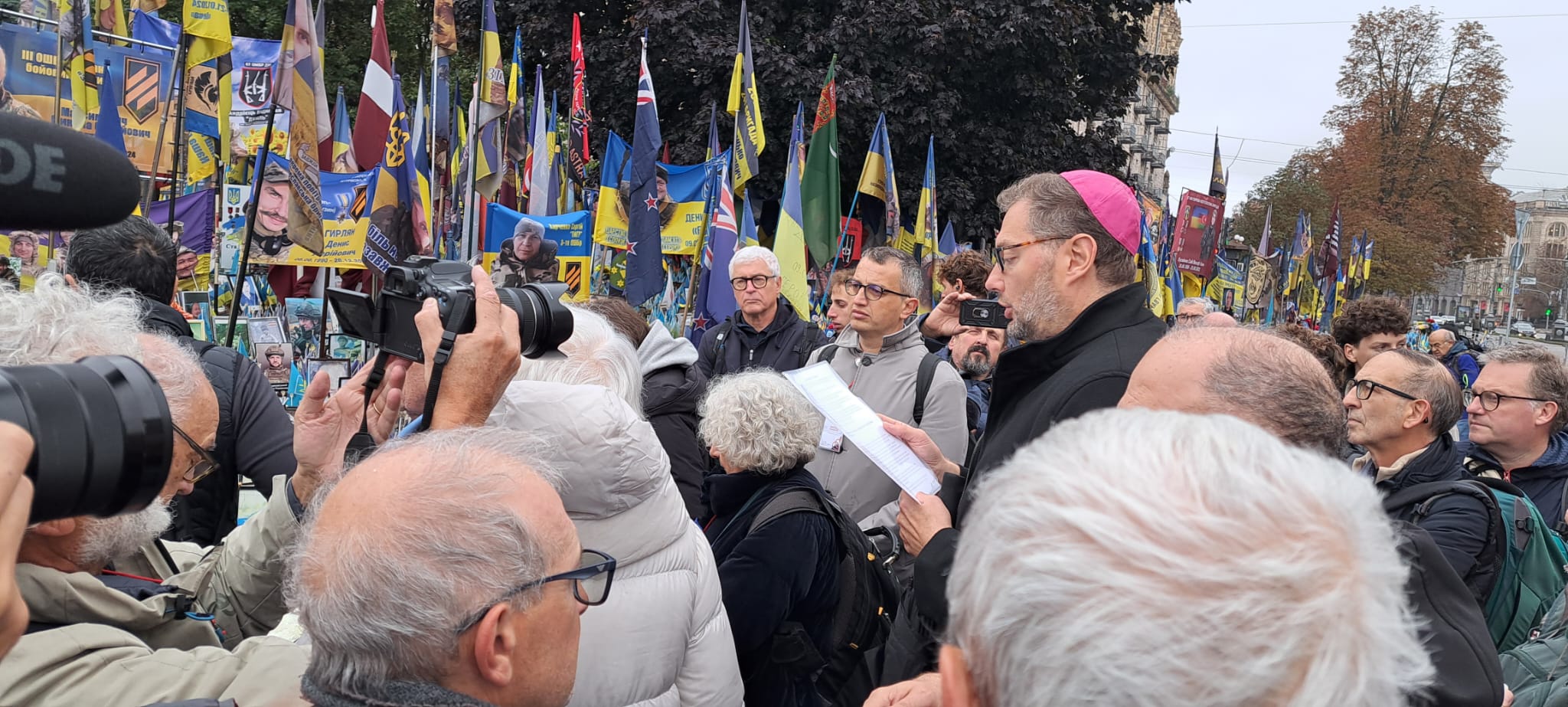
We departed with a strong sense of purpose: to demonstrate to the Ukrainian people that Europe stands by them — not just by providing weapons, funding and words of support, but by being there in person, witnessing firsthand the situation in this country.
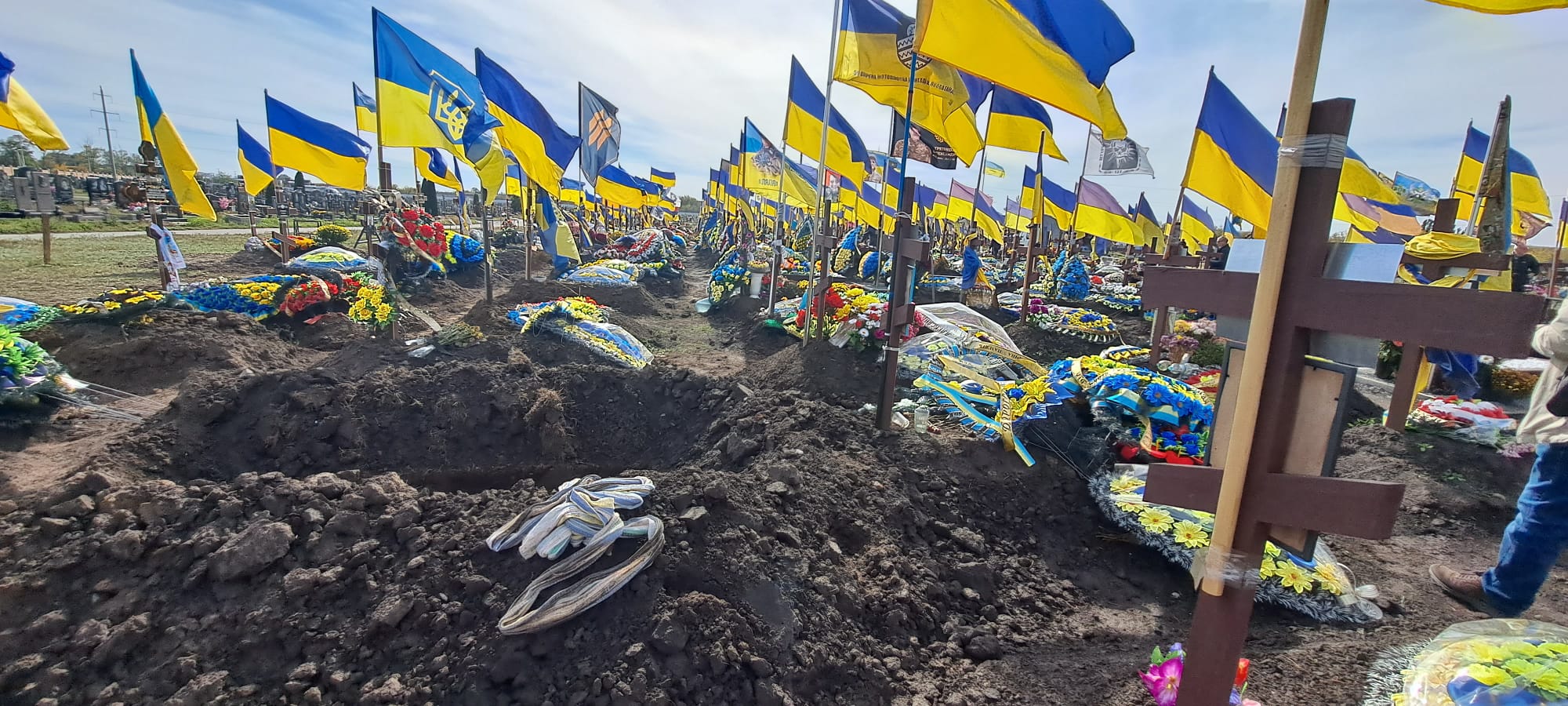
One hundred and ten people saw and experienced firsthand what it means to live in a war zone.
They travelled to Kharkiv at a time when nobody else was going there, not even Ukrainian people themselves, due to its proximity to the front line. We felt we had to be there. We were moved by a deep sense of solidarity and friendship. Such a connection is no small thing. Establishing bonds of friendship with people at war would seem almost impossible, yet for them it brings hope.
What message did you bring?
None of us has any easy answers for ending the war. The civil society that welcomed us did so in the knowledge that we had no definitive solutions, yet they were grateful for our presence. Being there, forging friendships and discussing the future of this country together shows that Putin does not control Ukraine. Ukrainians are deciding their own destiny by resisting. By going there, Europeans are saying that Ukrainians are not alone in this endeavour. This is a powerful message. Just two days after the mission ended, I was inundated with ideas and initiatives, including proposals for town twinning involving 15 municipalities, aid for businesses and requests to host the Kharkiv Philharmonic Orchestra.
All the seeds of friendship that we have planted are already sprouting.
You made the news because you narrowly avoided an airstrike that struck near your train in Lviv. Unfortunately, the Ukrainian conflict is increasingly fading from the headlines. How can we keep the spotlight on Ukraine?
The truth of the matter is that nowadays, news scoops is what make the headlines. We only received media coverage because we experienced for one hour what Ukrainians have been experiencing every night for almost four years.
But before our train arrived in Lviv, we spent days fully immersed in Ukrainian life. And still, no one paid attention. Silent friendship and spaces for prayer and reflection are not newsworthy; they do not resonate with the media. This is somewhat similar to what happened during the anti-Mafia demonstrations when people responded to threats by saying, “If you do this to them, do it to us too”. We did not expect to find ourselves in those circumstances, but we said all along that if Ukraine is under attack, we are all under attack.
Now that you have the opportunity to make your voices heard, what are you asking for?
We are calling for Europe to finally adopt a civil instrument for peace. Weapons and politics are not enough. This is what was also told to us by the Apostolic Nuncio to Kyiv, Monsignor Visvaldas Kulbokas. He said that if the ongoing war is to be brought to an end, civil society must be involved. We made a specific and urgent request to Minister Tajani, who accompanied and protected us during our journey back home: that he put the creation of a Civil Peace Corps on the agenda of the Council of the European Union. The proposal has been on the table since 1995, yet thirty years later it still has not been implemented. For years, we have been preparing to be European peacemakers.
For the past thirty years, we have been promoting cultural exchanges and advocating for the protection of rights and minority groups. If a European Civil Peace Corps needs to be organised, we are ready.
Do you think you could mobilise a million people to take to the streets and demand an end to the war in Ukraine?
It’s a legitimate question. However, I feel a distinction must be made. Europe stands with Ukraine. Even when the United States showed signs of disengagement, Europe remained politically determined. However, European civil society has yet to mobilise in a clear and decisive manner. For this reason, taking to the streets would not have the same impact. A demonstration in support of Ukraine should be directed at civil society itself to reawaken the European conscience, build bridges and call for the creation of instruments to promote civil peace. If a strong signal is to be sent, it would make sense to ensure the arrival of a million people in Ukraine, perhaps in Kharkiv, Kherson, or at the front lines, with the message:
“We stand by you, we have not forgotten you, and we unite with you in your call for an end to the aggression.”